
Our top picks for winter tires that handle Ontario's toughest conditions.
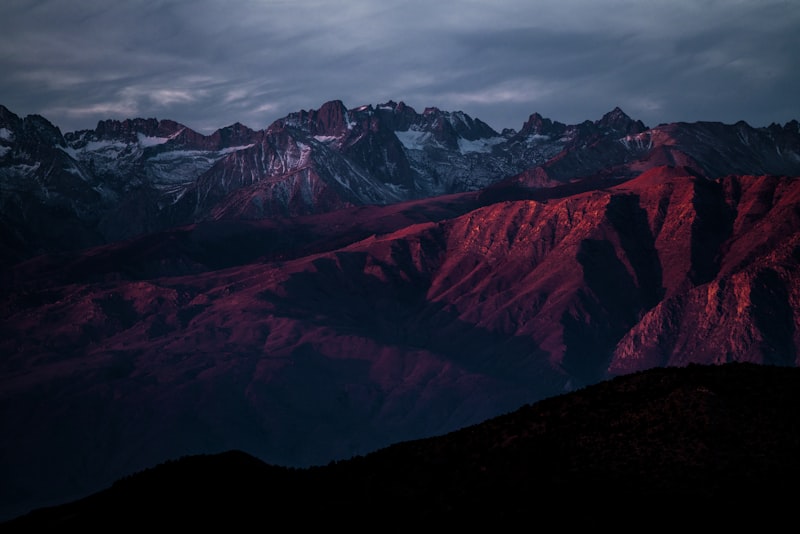
There's a specific kind of Ontario driver who puts their car away in November and doesn't take it out again until April. I get it. Winter driving is stressful, the roads are unpredictable, and it's easier to hibernate. But you're also missing some of the best experiences this province has to offer. Ontario in winter, when you know where to go and how to get there safely, rewards the effort in ways that summer crowds can't.
I've been making winter road trips across Ontario for years, and the destinations hit different in the cold months. Towns that are overrun in August become quiet and charming under a blanket of snow. The driving itself, while demanding, puts you through landscapes that look completely transformed from their summer versions. Here are the winter destinations worth the drive, with honest route notes so you know what you're getting into.
Blue Mountain, Collingwood
The most accessible ski destination from the GTA, about two hours from Toronto on a clear day. The drive up Highway 400 to Highway 26 is straightforward but heavily trafficked on weekend mornings from December through March. The last stretch on Highway 26 through Stayner and Collingwood climbs onto the Niagara Escarpment, and this is where conditions can change quickly. Lake-effect snow off Georgian Bay can reduce visibility to near-zero with almost no warning. I've driven through clear conditions in Barrie and hit a wall of snow 20 minutes later near Wasaga Beach.
Leave early. Like, 6 AM early. The ski crowd hits the 400 by 7:30 and it builds from there. Alternatively, drive up Friday evening and stay overnight. The village at Blue Mountain has expanded significantly and offers lodging at various price points.
Mont Tremblant Access (from Ontario)
Technically in Quebec, but many Ontario drivers make the trip. From Ottawa, it's about 90 minutes north on Highway 50 and Route 323. From Toronto, budget five to six hours. The Quebec highways are generally well-maintained in winter, but the speed limits are in kilometres and enforcement is aggressive. Keep to the posted limits.
The drive from Ottawa through Gatineau and into the Laurentians is beautiful in winter, with the Shield landscape under heavy snow. Fuel up in Gatineau before heading north, as options thin out quickly. If you're making this a weekend trip from eastern Ontario, the return drive on Sunday afternoon is generally easier than the ski-hill traffic at Blue Mountain.
Calabogie Peaks and Mount Pakenham
Smaller hills in the Ottawa Valley that offer good skiing without the long-distance drive for eastern Ontario residents. The drive to Calabogie on Highway 511 from Highway 17 passes through attractive winter landscape. These resorts are less crowded than Blue Mountain and make excellent day trips from Ottawa, Kingston, or anywhere in the Valley.
Ontario's snowmobile trail system is one of the largest in the world, and the towns that service it are vibrant winter destinations even if you're not riding.

Haliburton: A hub for the OFSC trail system in central Ontario. The drive from the GTA takes about three hours via Highway 35. The road is well-maintained but has significant elevation changes that can be icy. Haliburton village has restaurants, shops, and outfitters that cater to the winter crowd. The Haliburton Forest and Wild Life Reserve also offers winter activities including a wolf centre.
Muskoka: Huntsville and Bracebridge serve as launch points for hundreds of kilometres of groomed trails. The drive up is the same Highway 400/11 corridor described in the ski section. The towns have winter economies that are smaller than summer but genuine. Good restaurants, craft breweries, and warm lodges make Muskoka worth visiting even if your idea of winter recreation involves more fireplace than snowmobile.
Mattawa and North Bay: For serious winter driving and snowmobile access, the Highway 17 corridor north of Algonquin Park puts you in the heart of Ontario's snow belt. These areas get massive snowfall totals and have trail systems that run for weeks without a thaw. The drive is long (four-plus hours from Toronto) and demands winter driving competence. Make sure you're not making any of the common winter driving mistakes before attempting these routes.
Winterlude, Ottawa: The Rideau Canal skateway, ice sculptures, and BeaverTails make Ottawa's Winterlude one of the premier winter events in Canada. The drive from Toronto on Highway 401 to Highway 416 is about four and a half hours and entirely on divided highway. Winter conditions on the 401 between Kingston and the 416 interchange can be severe, with wind-driven snow across the open farmland. Take it slow through this section.
Niagara Icewine Festival, Niagara-on-the-Lake: A completely different winter driving experience. The QEW to Niagara is typically well-maintained in winter, and the event runs through January in the charming town of Niagara-on-the-Lake. The drive is short from the GTA (about 90 minutes) and the roads are manageable. This is an excellent option for drivers who want a winter destination without challenging winter driving.
Bracebridge Fire and Ice Festival: Muskoka's winter event features fire performers, ice carvings, and winter activities in the town centre. The drive up Highway 11 in winter is demanding but manageable with winter tires and patience. The town itself is beautiful under snow, and the falls on the Muskoka River are partially frozen, creating dramatic ice formations.
Ice fishing is one of those Ontario winter traditions that requires a vehicle to access but also demands some thought about where you're driving that vehicle.
Lake Simcoe: The closest major ice fishing lake to the GTA. Access points around Keswick, Beaverton, and Orillia put you on the ice within two hours of Toronto. The roads to these launch points are paved and well-maintained. Some ice fishing operators will drive you onto the ice in their vehicles. Do not drive your own vehicle onto Lake Simcoe unless you have confirmed local knowledge of ice thickness and conditions. Every year, vehicles go through the ice, and it's one of the most dangerous and avoidable winter accidents.
Bay of Quinte: Between Belleville and Trenton, the Bay of Quinte offers excellent walleye ice fishing. The drive on the 401 is straightforward. Access points are well-organized with local outfitters who can advise on conditions.
Northern destinations (Nipissing, Temagami): For the serious ice angler, these northern lakes offer world-class fishing. The drives are long and remote. Carry a complete winter emergency kit and tell someone your route and expected return time. Cell service is unreliable to nonexistent in many of these areas.
All of these destinations share one common requirement: your vehicle and your skills need to be ready for winter conditions. This isn't a scare tactic. It's just reality. Ontario winter roads are demanding, and the beautiful destinations are often in areas that get the heaviest snow and coldest temperatures.
Winter tires are legally required on some routes and practically required on all of them. If you're running all-season tires to a ski resort, you're the person everyone else on the road is worried about. Read our guide on the best winter tires for Ontario to make sure you're properly equipped.
Check Ontario 511 for road conditions before departure and at every major fuel stop along the way. Conditions change rapidly in winter, and a highway that was clear two hours ago can be closed by a lake-effect squall.
Pack for the worst case. Every winter destination trip should include warm clothing for everyone in the vehicle, food, water, blankets, and a charged phone with downloaded offline maps. If the worst happens and you're stuck in a storm, these items are the difference between an inconvenience and an emergency.
Don't let winter keep you off the road entirely. Ontario's cold months offer experiences you can't get any other time of year, and the driving itself, through snow-covered forests and frozen landscapes, has a quiet beauty that summer traffic jams can't touch. Just be prepared, be patient, and give yourself extra time. The destination will still be there when you arrive.
Our top picks for winter tires that handle Ontario's toughest conditions.

Explore the best coastal routes around Georgian Bay.
What to check before buying a used vehicle in Ontario.