
Our top picks for winter tires that handle Ontario's toughest conditions.
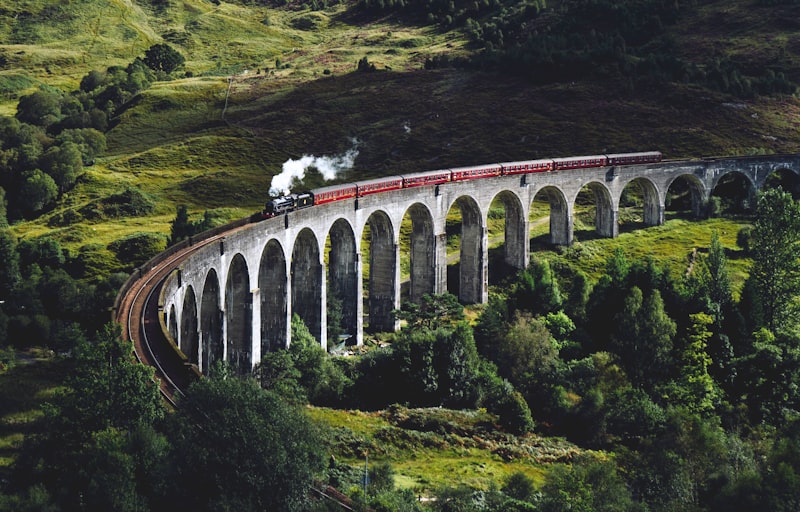
Petawawa sits on the Ottawa River about halfway between Ottawa and North Bay, in the part of the province where southern Ontario starts becoming northern Ontario in feel. Most people know it because of Canadian Forces Base Petawawa, one of the largest military bases in Canada, which has shaped the town and surrounding area for over a century. But for drivers, the Petawawa area is also a gateway to some of the best wilderness driving in the province, with Algonquin Park to the south, the Ottawa Valley to the east, and increasingly remote Crown land to the north and west.
I first drove through Petawawa on my way to a canoe trip launching from the park's north access points, and I've been back multiple times since. The area has a practical, no-frills character that grows on you, and the driving routes that radiate from it lead to genuinely stunning destinations. Here's what you need to know to navigate the area, whether you're passing through, visiting, or using it as a base for exploring the region.
Highway 17, the Trans-Canada, is the main artery through the Petawawa area. From Ottawa, the drive takes about 90 minutes heading northwest through Arnprior, Renfrew, and Cobden before reaching Pembroke, which sits immediately southeast of Petawawa.
The Highway 17 corridor through this section is well-maintained and mostly two lanes with periodic passing lanes. The road follows the Ottawa River valley, and the views, especially between Cobden and Pembroke, are excellent. The river widens out in this section, and on clear days you can see the Laurentian hills on the Quebec side.
A few things to know about Highway 17 here. First, it carries significant transport truck traffic. This is a Trans-Canada route, and heavy trucks are constant. Be patient with passing, and only pass when you have clear sightlines. Second, the OPP patrols this corridor regularly. The speed limit is 80 km/h through the communities and 90 km/h between them. Stick to it. Third, the road between Renfrew and Pembroke has a few sections that are prone to fog, particularly near the river and in low-lying areas during spring and fall mornings. If you hit fog, slow down and use your low beams, not your high beams.
From Petawawa, Highway 17 continues northwest toward Deep River, Chalk River, and eventually Mattawa and North Bay. This section becomes increasingly remote and beautiful, with the river and Shield landscape dominating. Fuel up in Petawawa or Pembroke before heading northwest, as services become sparse beyond Deep River.
One of the best reasons to drive the Petawawa area is access to Algonquin Provincial Park from the north and west, avoiding the crowds that flock to the Highway 60 corridor on the park's south side.
Barron Canyon Road: From Petawawa, head south on Achray Road (County Road 26) to reach the Barron Canyon, one of Algonquin's most dramatic landscapes. The canyon is a 100-metre deep gorge carved by glacial meltwater, and there's a short trail to a lookout that's worth the drive alone. The road to the canyon is paved for the first section, then becomes well-maintained gravel. In summer, the gravel section is fine for any vehicle. In spring, check conditions before going, as it can be soft and rutted.
Achray and Grand Lake access: Continuing past the Barron Canyon, Achray Road takes you to Grand Lake and the Achray campground, one of the most remote vehicle-accessible campgrounds in Algonquin. The landscape here is classic Shield country, with rock, pine, and lake. The drive is about 45 minutes from the highway on mostly gravel roads. It's quiet, beautiful, and feels genuinely wild.
Check Algonquin Provincial Park for current access conditions, gate hours, and campground availability. The north access points are less trafficked than the Highway 60 corridor, but they still require park permits for day use and camping.
The Petawawa area is anchored by several towns that are close enough together to function as a single community but distinct enough to each have their own character.
Pembroke is the largest town nearby, about 15 minutes southeast of Petawawa on Highway 17. It's the commercial centre of the upper Ottawa Valley, with full services including grocery stores, hardware stores, restaurants, and a hospital. The Pembroke Heritage Murals, large-scale paintings on downtown buildings depicting the town's logging history, are worth a walk-through. The waterfront along the Ottawa River has been developed into a pleasant park and trail system.
Chalk River is about 20 minutes northwest of Petawawa and is primarily known for the Canadian Nuclear Laboratories (formerly AECL). It's a small, quiet community with basic services. The drive between Petawawa and Chalk River on Highway 17 is scenic, passing through Shield terrain with river views.
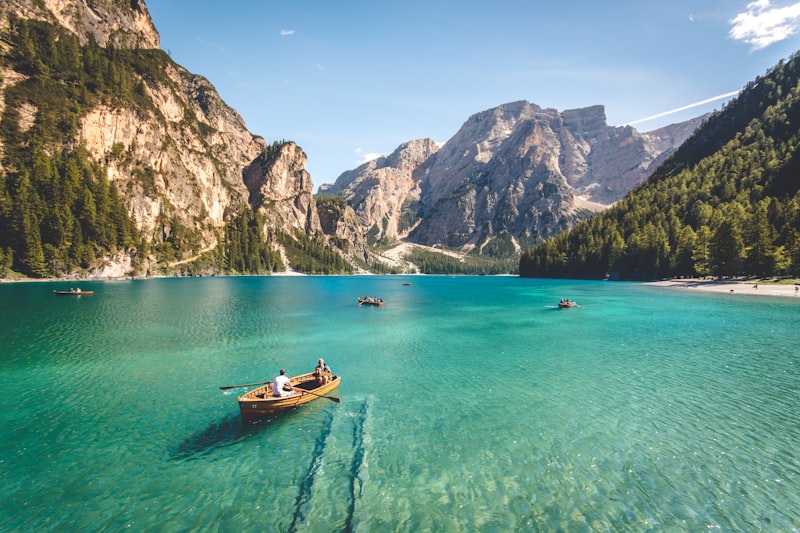
Deep River, about 45 minutes northwest, is worth the drive for its town beach alone. The Ottawa River is wide and calm here, and the sandy beach with the Shield hills as a backdrop is beautiful. Deep River also has a surprisingly good community feel, with local restaurants, a theatre company, and a heritage museum.
Barry's Bay is about an hour south of Petawawa and serves as a gateway to the Madawaska Valley and the Opeongo Line routes into Algonquin. The drive south on Highway 62 through the Shield is rewarding, with lakes and forest on both sides. Barry's Bay has a strong Polish-Canadian heritage and excellent bakeries.
CFB Petawawa occupies a large area adjacent to the town, and it's worth knowing a few things as a driver. The base boundaries are clearly marked, and access is restricted to authorized personnel. Don't wander onto base property. The roads around the base perimeter are public, but you may encounter military vehicles, including large transport trucks and occasionally tracked vehicles crossing public roads. Signs warn you of these crossings. Take them seriously and stop when indicated.
Military training exercises sometimes create noise (including artillery and weapons fire) that can be startling if you're not expecting it. This is normal for the area. You may also encounter low-flying helicopters, particularly over the training areas south and west of the base.
The military presence has a practical upside for drivers: the town's services are better than you'd expect for its size, with good grocery stores, restaurants, and automotive services that serve the base population.
The Bonnechere Caves, located about 40 minutes southeast of Petawawa near Eganville, are one of the best natural attractions in the Ottawa Valley. The caves are a series of underground caverns carved through 500-million-year-old limestone, with visible fossils of ancient sea creatures embedded in the walls.
The drive from Petawawa to the caves takes you south on Highway 17 to Cobden, then south on Highway 41 through Eganville. From Eganville, Fourth Chute Road leads to the caves. The route is entirely paved and passes through the Bonnechere River valley, which is attractive farmland with Shield outcrops beginning to appear.
The caves are open seasonally, typically June through Thanksgiving. Guided tours take about 50 minutes and are suitable for all ages. The temperature underground is a constant 10°C, so bring a layer even in summer. Our detailed Ottawa Valley driving guide covers this route and other Valley attractions in more depth.
Summer (June through August): Road conditions are excellent throughout the area. Highway 17 and the main county roads are well-maintained. Gravel roads to Algonquin access points are generally in good shape but dusty. Carry extra windshield washer fluid. This is also peak season for construction on Highway 17, which can cause delays.
Fall (September through October): The best driving season in the area. Fall colours in the Ottawa Valley are spectacular, and the Algonquin access routes are at their most beautiful. Road conditions are good. Watch for wet leaves on back roads and early morning frost in October.
Winter (November through March): Winter driving in the Petawawa area is serious. The area gets significant snow, and temperatures regularly drop below -20°C in January and February. Highway 17 is well-plowed and salted, but the side roads and Algonquin access routes may not be plowed at all. Winter tires are essential. Keep a full emergency kit in the vehicle. If travelling on the gravel roads to Algonquin in winter, check with the park about which roads are maintained.
Spring (April through May): Spring is the toughest season for road conditions. Frost heaves create bumps and potholes on Highway 17 and especially on county and township roads. The gravel roads to Algonquin can be soft and muddy well into May. The spring runoff makes the rivers dramatic and the waterfalls impressive, but the road surfaces pay the price. Drive cautiously and watch for sudden bumps.
Fuel up in Pembroke or Petawawa. These towns have multiple gas stations with competitive prices. Beyond Chalk River heading northwest, or on the Algonquin access roads heading south, fuel options become limited.
Cell service is reliable along Highway 17 and in the towns, but drops quickly on the Algonquin access roads and the more remote side routes. Download offline maps before heading into the back country.
For rural driving preparation, the Petawawa area requires the same awareness of wildlife, gravel road techniques, and emergency preparedness as any remote Ontario driving. Moose are particularly common in the Algonquin corridor and along the Highway 17 section northwest of Petawawa.
The Petawawa area might not be on most Ontario drivers' radar, but it rewards those who make the trip. The combination of river scenery, Shield landscape, Algonquin wilderness, and Ottawa Valley character makes it one of the most interesting driving regions in the province. And unlike the more popular destinations, you'll often have the roads to yourself. Connect this area with our Ontario road trip routes for multi-day driving adventures through the Valley and beyond.
Our top picks for winter tires that handle Ontario's toughest conditions.

Explore the best coastal routes around Georgian Bay.
What to check before buying a used vehicle in Ontario.