
Our top picks for winter tires that handle Ontario's toughest conditions.
After spending fifteen winters driving across Ontario — from the lake-effect dumps around Barrie to the slushy mess that downtown Toronto becomes every February — I've developed some strong opinions about winter tires. Not from reading spec sheets in a warm office, but from white-knuckling it through surprise squalls on the 400 and crawling through ice-coated parking lots in Ottawa.
Choosing the right winter tire can genuinely be the difference between a close call and a collision. Ontario throws everything at us: black ice on Highway 7 in November, six inches of wet snow overnight in Hamilton, freezing rain across the GTA that turns every road into a skating rink. Your tires need to handle all of it. Here's what I've learned works best.
The Blizzak has been Ontario's go-to winter tire for years, and the WS90 continues that tradition. Bridgestone's multi-cell compound genuinely bites into ice in a way you can feel through the steering wheel. Pulling out of my driveway on a -20°C morning in January, the difference between these and the all-seasons I used to run is night and day.
Where the Blizzaks really shine is in that classic Ontario mix of slush and wet snow. You know those mornings after the plows have been through but the roads are still covered in grey mush? The WS90 channels that stuff away remarkably well. I ran them for two seasons on a Civic and never once felt that terrifying moment of hydroplaning through slush.
The downside? They wear faster than some competitors. By the third season, I noticed the ice performance dropping off noticeably. Budget two to three solid winters from a set, maybe four if you're easy on them.
If you're doing highway kilometres — say, regular runs between Toronto and Ottawa or commuting from Oshawa into the city — the X-Ice Snow deserves a serious look. Michelin engineered these to stay quiet and composed at highway speeds while still delivering real winter grip.
I switched to X-Ice Snows on my CRV two years ago and was immediately impressed by the highway manners. At 110 on the 401, they don't drone or vibrate the way some winter tires do. But they also stopped me confidently on a sheet of ice at a red light in Peterborough last December when I thought for certain I was going through the intersection.
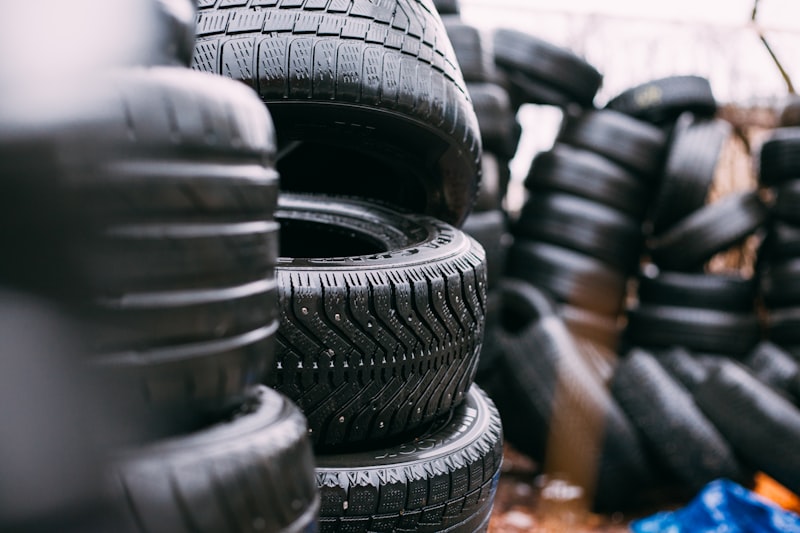
The Flex-Ice 2.0 compound stays pliable even when it's brutally cold, and the tread life is genuinely better than most competitors. After two Ontario winters, mine still have plenty of life left. They're pricier upfront, but the longevity math works out.
Continental doesn't get the same buzz as Bridgestone or Michelin in Ontario tire shops, but the VikingContact 7 is a seriously capable tire that deserves more attention. Its Nordic compound was developed for Scandinavian winters, which — if you've ever been to Northern Ontario in January — isn't far off from what we deal with.
These tires are at their best on pure ice and packed snow. If you live north of Barrie or regularly drive through Muskoka and Parry Sound, the VikingContact 7 handles those conditions with confidence that borders on nonchalant. The braking distances on ice are among the shortest I've experienced.
In deep, heavy snow they're merely good rather than exceptional, and they do get a bit squirmy in deep slush. But for the typical Ontario winter mix, they're a strong contender, especially at a price point that's usually below the Michelins and Bridgestones.
Nokian literally invented the winter tire in Finland in 1934, and the Hakkapeliitta R5 shows that heritage. These are engineered for conditions that make our worst Ontario storms look tame. The Cryo Crystal 3 particles embedded in the rubber provide microscopic ice grip that you have to feel to believe.
I tested a set on a friend's Mazda3 through last winter. The confidence they inspire on ice is remarkable — genuinely the best ice tire on this list. On a frozen parking lot in Kingston, I could feel them grabbing where other tires would just slide.
The catch is availability and price. Nokians can be harder to find in some Ontario cities, and they're not cheap. But if ice performance is your top priority and you're willing to pay for it, nothing else on the market matches the Hakkapeliitta on a frozen surface. For anyone who's dealt with the ice storms that seem to hit Eastern Ontario every other year, that kind of grip is worth the investment.
Ontario does allow studded tires between October 1 and April 30, but honestly, for most of us driving in southern and central Ontario, studs aren't necessary. Modern studless winter tires have closed the gap dramatically. Studs chew up pavement, they're loud on dry roads, and with the amount of bare-pavement driving we do between storms, they're more hassle than they're worth for the average commuter.
If you're regularly driving unpaved roads in Northern Ontario, that's a different conversation. But for the GTA, Ottawa, Hamilton, London — go studless.
Whatever tire you choose, consider buying a dedicated set of steel or alloy rims for your winters. Yes, it's an upfront cost, but you'll save on mounting and balancing twice a year, and you'll avoid the risk of damaging your good rims on Ontario's legendary potholes. Most tire shops in Ontario offer package deals on winter tire and rim combos — ask around in September before the rush starts.
Also, don't be tempted to go wider for winter. In fact, slightly narrower tires with taller sidewalls often perform better in snow because they cut through to the pavement rather than floating on top. Check your owner's manual for the recommended winter tire size.
If you're still debating whether you actually need dedicated winter tires, have a look at our comparison of all-season, all-weather, and winter tires to understand the real differences. And don't forget to check out our guide on when to make the switch — timing matters more than most people realize.
Once your winters are on, keep an eye on tire pressure through the cold months. A drop of just a few PSI can noticeably affect winter tire performance, and Ontario's temperature swings can cause surprising pressure changes overnight.
For official tire safety standards and recall information, Transport Canada's tire safety page is the authoritative resource. It's worth checking before each winter season.
Our top picks for winter tires that handle Ontario's toughest conditions.

Explore the best coastal routes around Georgian Bay.

What to check before buying a used vehicle in Ontario.