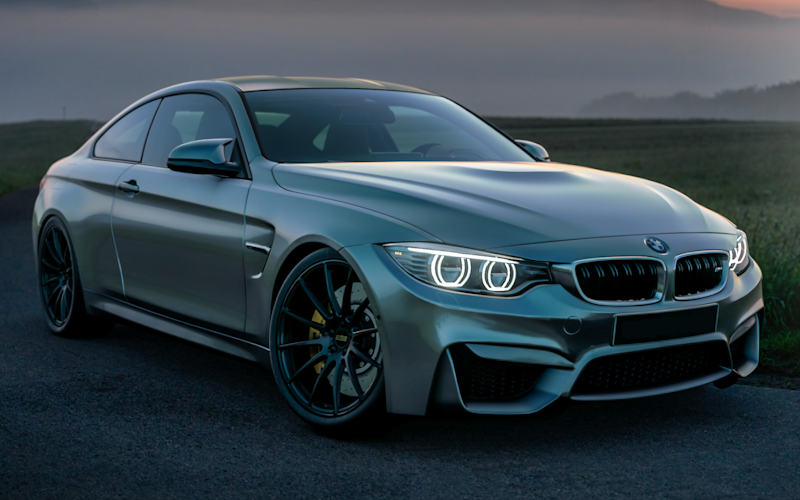
Our top picks for winter tires that handle Ontario's toughest conditions.
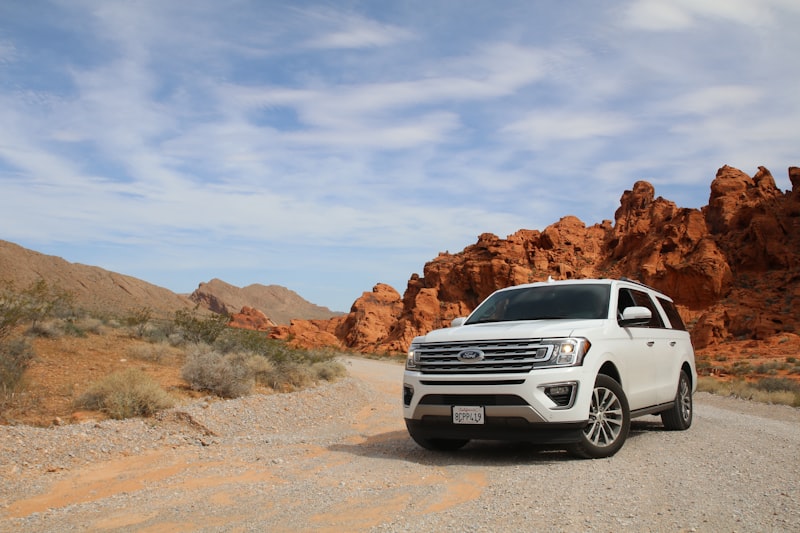
Reliability means something different in Canada than it does in California. Down south, a "reliable car" starts every morning and doesn't break down. Up here, a reliable car does all that while surviving salt-covered highways, -25 degree cold snaps, and potholes deep enough to lose a tire in. When I recommend a used car to friends and family, I'm not just looking at Consumer Reports data — I'm thinking about what actually survives Ontario winters year after year.
Here are the vehicles that have earned their reputations on Canadian roads, not just in lab tests.
There's a reason you see 15-year-old Corollas still running around the GTA. These cars simply refuse to die. The 1.8L engine is one of the most bulletproof powertrains ever built. Maintenance costs are rock-bottom, parts are everywhere, and any mechanic in the country can work on them blindfolded.
For a used buy, the 2014-2019 generation is the sweet spot right now. They're modern enough to have decent safety features but old enough that depreciation has done its work. Expect to pay $12,000 to $18,000 depending on mileage and condition. Watch for the CVT transmission in some years — Toyota's CVTs are better than most, but a traditional automatic is still preferred for longevity.
Winter performance is adequate with proper winter tires. It's a front-wheel-drive car with good traction control, and it handles snow better than you'd expect for its size. Just don't try to plow through unplowed rural roads.
The Civic has been Canada's top-selling car for over two decades, and that's not by accident. It's reliable, efficient, and holds its value like nothing else in the compact segment. The 2016-2021 tenth generation brought a turbocharged 1.5L engine that delivers surprising performance while still getting excellent fuel economy.
One thing to watch: the 2016-2018 models with the 1.5T engine had some oil dilution issues in cold climates. Honda addressed this with software updates, but check that the update was done. The 2019+ models largely fixed this. The naturally aspirated 2.0L is bulletproof if you want to play it safe.
Parts availability is excellent — there are Hondas everywhere in Ontario, and independent shops know these cars inside out. Insurance costs are reasonable for the class, though the Si and Sport trims carry higher premiums because they're popular theft targets.
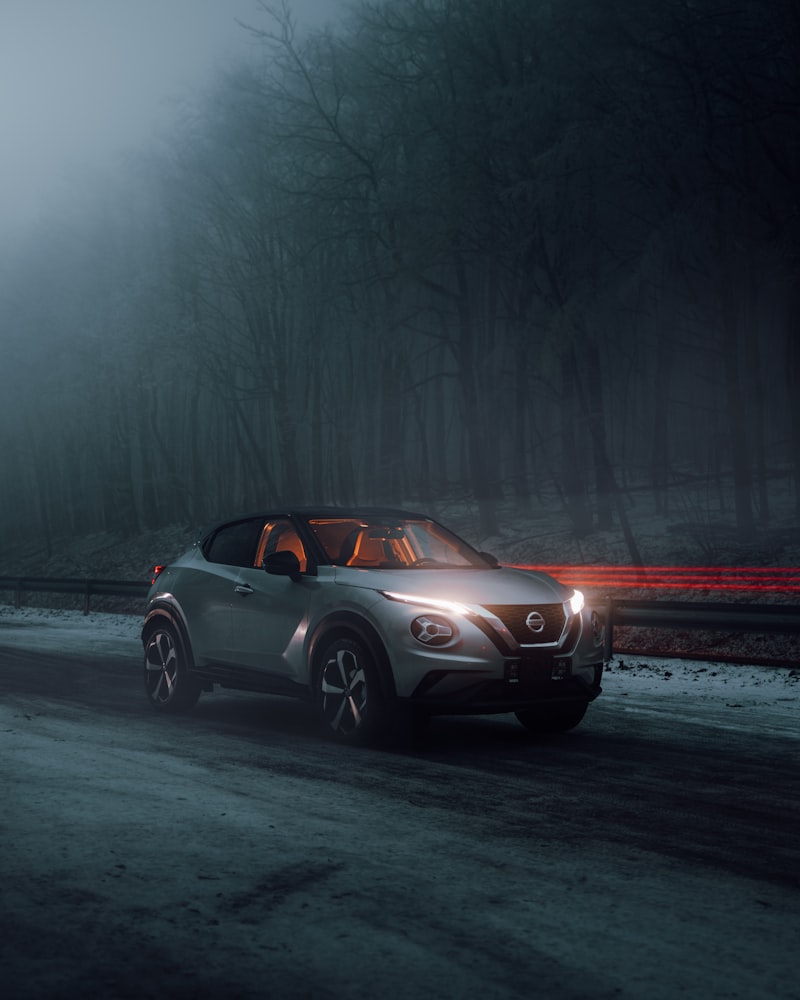
If you need more space than a Civic but don't want a full-size SUV, the CR-V is the go-to. The AWD system is competent in snow, the cargo space is genuinely useful, and reliability is Honda-grade solid. The 2017-2022 generation is excellent, though it shares the 1.5T engine with the Civic and the same oil dilution caveat applies to early models.
The 2015-2016 CR-V with the 2.4L naturally aspirated engine is a fantastic used buy if you can find one in good shape. These are simpler, proven engines with no turbo components to worry about. They're not quick, but they're dependable.
Resale on CR-Vs is strong — almost annoyingly so if you're the buyer. Don't expect huge discounts even on higher-mileage examples. Budget $18,000 to $28,000 for a 2017-2020 model.
If you want something reliable that's also genuinely fun to drive, the Mazda3 is your answer. Mazda's SkyActiv engines are impressively efficient and have proven very durable. The 2014+ generation eliminated most of the rust issues that plagued earlier Mazdas — they switched to better corrosion protection, and it shows.
The interior quality punches above its weight class, especially in the 2019+ redesign. These feel like near-luxury cars inside. The AWD option added in 2019 makes them even more appealing for Ontario winters, though even the front-wheel-drive versions do well with proper winter tires.
Parts are reasonably priced and most independent mechanics are comfortable working on them. The main downside is back seat space — it's tight for adults. If you're regularly carrying passengers, the Honda Civic offers more room.
If you live outside the GTA and deal with rural roads, gravel, and serious snow, the Outback deserves a hard look. Subaru's symmetrical AWD system is the real deal — it's standard on every model and works exceptionally well in winter conditions. The raised ground clearance handles deep snow and rough roads better than any car-based crossover.
The boxer engine is unique and has some quirks. Head gasket issues plagued older models (pre-2013), but Subaru largely sorted this out in newer generations. The CVT transmission is the main reliability question mark — they've improved significantly, but budget for transmission fluid changes every 50,000 km to keep it healthy.
Rust resistance has improved dramatically in recent years, but check wheel wells and rear quarter panels on any used Outback. The 2015-2019 generation offers a good balance of price, features, and proven reliability.
If you need a truck, the F-150 is the default choice for good reason. The 2015+ aluminum body panels don't rust like the old steel bodies did, which is a massive advantage in Ontario. The 5.0L V8 (Coyote engine) is nearly indestructible and simple to maintain. The EcoBoost engines offer better fuel economy but add turbo complexity.
For a detailed look at trucks built for our conditions, check out our guide to the best used trucks for Ontario winters. If you're shopping for any of these vehicles, our used car inspection checklist will help you avoid the lemons.
One advantage all these vehicles share is parts availability. In a country as spread out as Canada, you don't want a car where a replacement part has to be shipped from overseas. Every vehicle on this list has a massive dealer network and deep aftermarket parts supply. Whether you're in downtown Toronto or Sudbury, a mechanic can get parts for these cars within a day or two.
That matters more than people realize. When your car breaks down in February and the shop says "we need to order the part and it'll be two weeks," that's two weeks of rental car costs, ride shares, or bumming rides. Common vehicles mean common parts, and common parts mean fast, affordable repairs.
To understand what you'll actually spend on any of these vehicles year over year, take a look at our complete breakdown of vehicle ownership costs in Ontario. The purchase price is just the beginning.
The Consumer Reports reliability ratings are a useful starting point for comparing models, but remember that their data is heavily weighted toward American driving conditions. Canadian owners tend to report different issues — particularly around battery life, rust, and cold-weather starting — so always cross-reference with local experience.
Our top picks for winter tires that handle Ontario's toughest conditions.

Explore the best coastal routes around Georgian Bay.
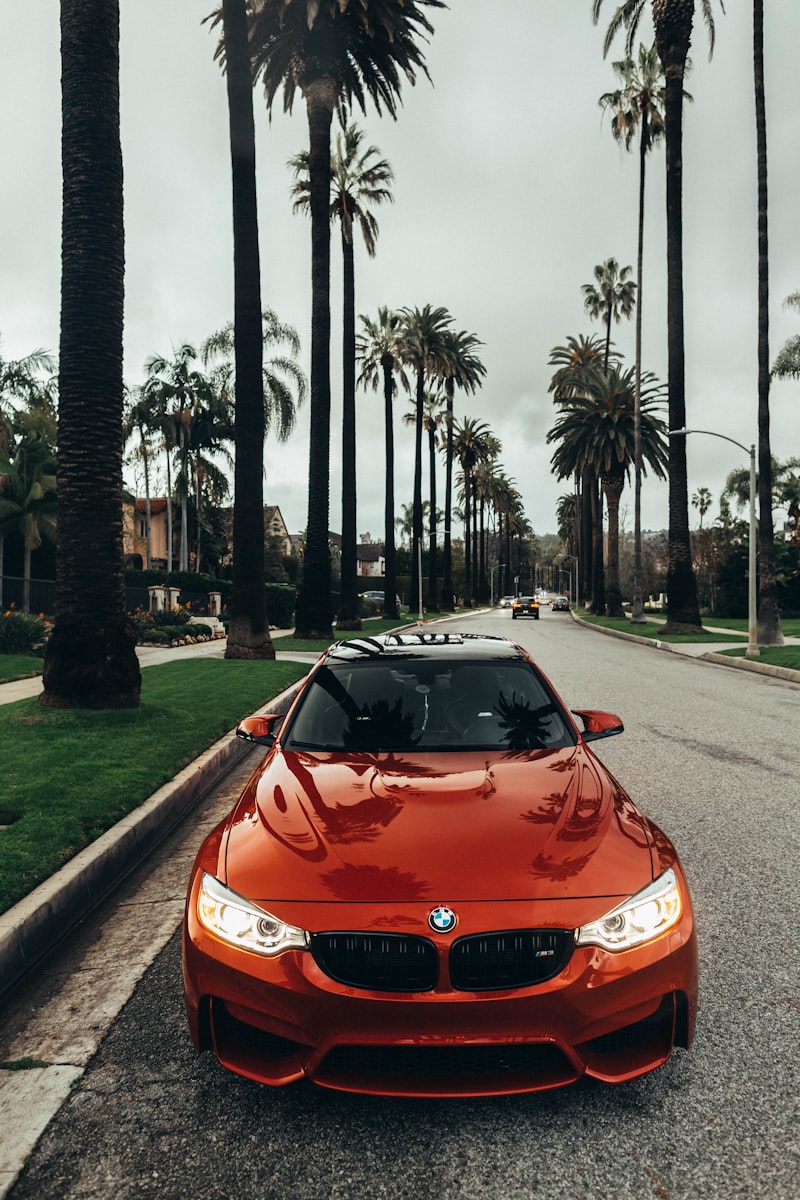
What to check before buying a used vehicle in Ontario.