
Our top picks for winter tires that handle Ontario's toughest conditions.
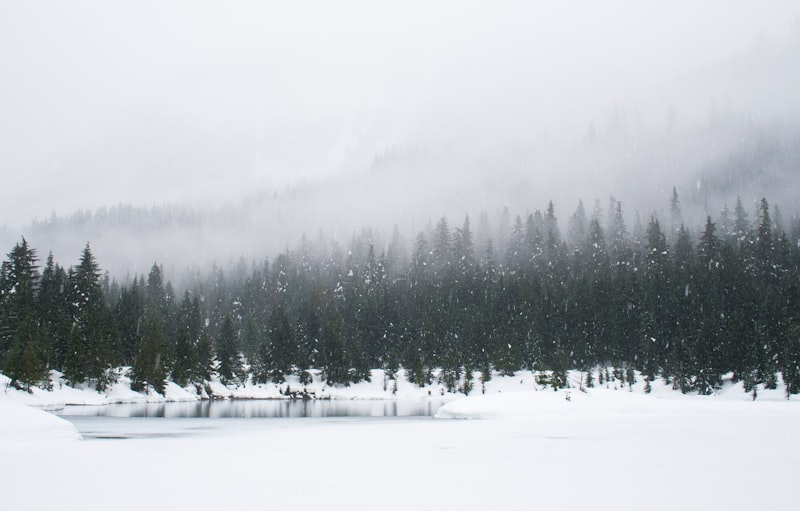
Black ice isn't actually black. That's what makes it terrifying. It's a thin, transparent layer of ice that takes on the colour of the road surface beneath it, making it virtually invisible. You can't see it coming. One second you have traction, the next second you don't. I've hit black ice dozens of times over the years on Ontario roads, and my heart rate still spikes every single time. The difference between a scare and a collision often comes down to the first two seconds of your reaction.
Black ice doesn't form randomly. Understanding where it's most likely to appear gives you a critical advantage. Once you know the common locations, you can anticipate it and adjust before you hit it.
Bridges and overpasses. The single most common location. Because cold air circulates above and below the bridge deck, bridges freeze before the surrounding road surface. I've lost count of how many times I've been driving on a wet but perfectly fine road, rolled onto a bridge, and felt the car go loose. Every bridge in Ontario should be treated as a potential ice patch from November through April.
Shaded areas. Where trees, buildings, or hillsides block the sun, ice persists long after exposed sections of road have thawed. That curve through the forest on your commute? The stretch of road under the overpass? The north-facing side of a hill? These spots can stay icy all day even when the rest of the road is clear and dry.
Intersections. Vehicle exhaust, tire rubber, and automotive fluids create a smoother road surface at intersections. When this surface gets wet and freezes, it becomes incredibly slick. Add the polishing effect of cars repeatedly braking and accelerating over it, and you have an ice rink at every stop.
Low-lying areas and near water. Fog and moisture settle in valleys and near lakes, rivers, and streams. These areas see more moisture on the road surface, which means more ice when temperatures drop. If you're driving near any of Ontario's countless waterways in winter, stay alert.
Areas with recent snow melt. During the day, snow melts and water flows across the road. At night, that water freezes into a thin ice sheet. This is especially common in late fall and early spring when daytime temperatures are above zero but nights drop below freezing.
Since you can't really see black ice directly, you need to read the conditions and the clues:
The road surface looks wet, but it's below freezing. This is the biggest red flag. If your dashboard temperature reads below 0°C and the road looks glossy or wet, be suspicious. Actual water doesn't usually sit on the road surface in below-zero temperatures unless it's actively being warmed by sun or traffic.
The road looks slightly darker or shinier than the pavement around it. Black ice often has a faint gloss that differs from dry pavement. It's subtle, but once you've seen it a few times, you start recognizing that particular sheen.
Other vehicles' spray patterns change. If cars ahead of you are throwing up spray on most of the road but suddenly stop in certain sections, that "dry" section might actually be ice.
Your steering goes light. This is the sensation of losing grip. The steering wheel suddenly feels easy to turn, like the front tires aren't grabbing. If you feel this, you're already on ice.
This is the critical part, and it goes against every instinct your body has. When you feel the car slide on black ice:
Do NOT slam the brakes. This is the hardest thing to override because your instinct screams "STOP." But hard braking on ice locks your wheels (or activates ABS repeatedly) and you lose all steering control. You become a passenger in a very heavy sled.
Ease off the gas. Don't lift off abruptly, just gently reduce throttle. An abrupt lift-off can shift the car's weight forward and cause the rear to swing out, especially in rear-wheel-drive vehicles.
Keep the steering wheel pointed where you want to go. Your natural reaction might be to jerk the wheel, but smooth, deliberate steering inputs are what will save you. If the rear of the car starts to slide, steer gently in the direction of the slide. Don't overcorrect. Small corrections.
Stay calm and ride it out. Most black ice patches aren't very large. If you resist the urge to panic and keep your inputs smooth, you'll often pass through the patch and regain traction within a few seconds. Those seconds feel like an eternity, but the ice patch is usually shorter than you think.
If you're going to hit something, brake firmly in a straight line. If you've lost all control and a collision is imminent, straighten the wheel and apply firm brake pressure. ABS will help you maintain some directional control. Hitting something head-on at a reduced speed is generally better than hitting it sideways.
The best way to handle black ice is to not be surprised by it. Here's how I adjust my driving when conditions are ripe for black ice:
Reduce speed, especially at night and in early morning when temperatures are lowest. Increase following distance to at least six seconds. Turn off cruise control so you have direct throttle feedback. Be extra cautious on bridges, in shaded areas, and at intersections. Watch the behaviour of vehicles ahead of you for signs of sliding.
Good winter tires make a measurable difference on black ice. They won't give you dry-pavement traction, but the difference between winter tires and all-seasons on ice is dramatic. If you haven't already made the switch, read our guide on when to switch to winter tires in Ontario.
Some of the worst black ice conditions in Ontario happen during the morning commute, particularly in November and March. Here's the pattern: daytime temperatures get above zero, snow and ice melt, water runs across roads. Overnight, temperatures drop below freezing, and all that water becomes invisible ice. By 6 or 7 AM, when thousands of commuters hit the road, the ice is at its worst and the light is at its lowest.
I've seen multi-vehicle pileups on the 400 and 401 that happened in exactly these conditions. Clear skies, dry-looking road, but the pavement was a skating rink. If the temperature is hovering around zero during your morning drive, assume the worst and drive accordingly.
Black ice and freezing rain are related but different hazards. Freezing rain creates a thicker, more widespread ice layer, while black ice tends to be thinner and more localized. But the techniques for handling both are essentially the same: slow down, be smooth, and know when conditions are beyond safe driving. When a freezing rain event is followed by clearing and dropping temperatures, the black ice that forms can be widespread and extremely dangerous.
Heavy snow has its own challenges, but at least you can see it. For tips on handling those whiteout conditions, check our guide on driving safely in heavy snow.
When you hit black ice, everything that matters happens in the first two seconds. If you panic and slam the brakes, you've lost control. If you stay smooth and ride it out, you usually recover. That two-second window is all about training your reactions before you need them.
If you have access to an empty parking lot after a freezing night, spend ten minutes deliberately sliding your car at very low speed. Get a feel for what losing traction feels like. Practice steering into a slide. It sounds silly, but that muscle memory is what kicks in when you hit black ice at 80 km/h on the highway. Knowing the feeling in a controlled environment keeps you from panicking when it happens for real.
Our top picks for winter tires that handle Ontario's toughest conditions.

Explore the best coastal routes around Georgian Bay.
What to check before buying a used vehicle in Ontario.