
Our top picks for winter tires that handle Ontario's toughest conditions.
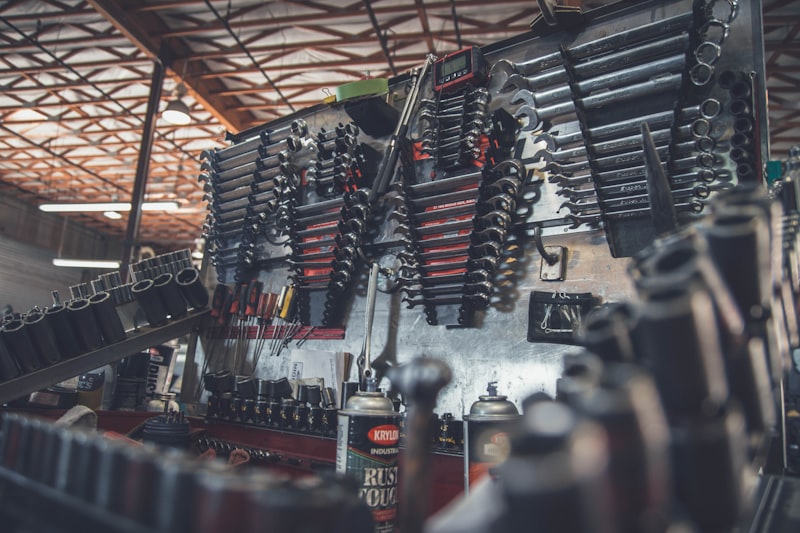
There's nothing quite like loading up the car and heading out on a long Ontario road trip. Whether you're driving up to cottage country, heading across the province to visit family, or making the haul to the Maritimes, a little preparation makes the difference between a smooth drive and a stressful roadside breakdown. I've done the Toronto-to-Thunder Bay run enough times to know that skipping the prep work is a gamble you don't want to take, especially when the nearest town might be 150 kilometres of empty highway behind you.
Before any long trip, I pop the hood and check every fluid I can see. It takes five minutes and costs nothing.
Engine oil: Check the level and the colour. If you're within 1,000 km of your next oil change, just do it before you leave. The last thing you want is an oil change due when you're in the middle of nowhere northern Ontario on a Sunday.
Coolant: Make sure the reservoir is between the min and max lines. If your coolant hasn't been changed in a couple of years, consider a flush before a summer trip. Overheating on a hot day in stop-and-go traffic is unpleasant and expensive.
Brake fluid: A quick look at the reservoir. If it's low, you might have a leak or worn pads, either of which you want to know about before, not during, a 1,200 km drive.
Windshield washer fluid: Top it up completely. I also throw an extra jug in the trunk. Summer driving through construction zones and bug country eats through washer fluid fast, and trying to see through a bug-splattered windshield at sunset on Highway 11 is genuinely dangerous.
Power steering and transmission fluid: Quick check for proper levels and no obvious leaks underneath the car.
Your tires are the only thing connecting your car to the road. Before a long trip, they need more than a quick glance.
Check the pressure on all four tires plus the spare when the tires are cold, meaning the car hasn't been driven for at least three hours. Use the recommended pressure on the door jamb sticker, not the maximum pressure on the tire sidewall. Proper tire pressure management is critical for safety and fuel economy, especially on long hauls.
Inspect the tread depth. The toonie test works: insert a toonie into the tread with the bear's paws facing down. If you can see the full paws, your tread is getting low. For a long highway trip, you want plenty of tread for wet-weather grip and heat dissipation.
Look for uneven wear, bulges, cracks, or anything embedded in the tread. A slow leak that's barely noticeable around town can become a flat tire four hours from home. Also, make sure your spare is inflated and that you have a working jack and lug wrench. I've met people on the side of the road who had a spare but no jack. Don't be those people.

If your brakes have been making any noise, getting soft, or pulsating, get them inspected before your trip. Long highway drives with mountain passes or hilly terrain (looking at you, Highway 60 through Algonquin) demand brakes that work properly.
Under the hood, check the serpentine belt for cracks, fraying, or glazing. A belt failure at highway speed means immediate loss of power steering, alternator, and possibly your water pump. Coolant hoses should be firm but not brittle, and check the connection points for seeping.
Your emergency kit should be tailored to the season and the distance you're travelling. For a summer road trip, I pack:
Jumper cables or a portable jump starter (I switched to a lithium jump pack a few years ago and it's been a game-changer). First aid kit. Flashlight with fresh batteries. Basic tools: pliers, screwdrivers, adjustable wrench. Duct tape, because it fixes more roadside problems than you'd think. Extra water, at least a couple of litres. Reflective triangles or flares. A rain jacket. Phone charger, both a car charger and a battery bank. Paper map of Ontario, because cell service disappears in large chunks of the province.
That last one is important. If you're driving north of Parry Sound, there are long stretches where your phone is useless. Having a physical map and a general idea of your route is basic preparedness.
Even with GPS, spending ten minutes looking at your route before you leave pays off. Check for construction zones, which Ontario has in abundance during summer. The MTO's Ontario 511 website shows current road conditions and construction. During peak summer weekends, the Muskoka corridor on Highway 400 and Highway 11 can add hours to your drive.
Know where your fuel stops are, especially on northern routes. The gap between gas stations on the Trans-Canada through northern Ontario can be over 100 km. I always fill up when I hit half a tank on those stretches, no exceptions. Running out of fuel in a dead zone with no cell service is a nightmare scenario.
If you're heading to a popular destination like Algonquin, Tobermory, or Muskoka on a long weekend, consider leaving very early Friday morning or even Thursday evening. The difference between leaving Toronto at 4 PM Friday and 6 AM Friday can be three hours of sitting in traffic.
All lights working? Headlights, high beams, brake lights, turn signals, reverse lights. A burnt-out taillight is an easy ticket and a safety hazard, especially at night. Clean your headlight lenses if they're hazy; the difference in nighttime visibility is dramatic.
Test your wiper blades with washer fluid. If they streak or chatter, replace them. A sudden rain squall on the highway with bad wipers is terrifying, and summer storms in Ontario can go from clear sky to zero visibility in minutes.
Make sure your air conditioning is working before you need it. Running the AC for the first time on a 35-degree day three hours into your trip and discovering it's blowing warm air is miserable. If the AC seems weak, it might just need a recharge, which is a quick fix at any shop.
Clean out your car before loading it. Organize your cargo so you can access your emergency kit without unpacking the entire trunk. Keep frequently needed items, snacks, water, phone charger, sunglasses, within reach of the driver or front passenger.
After you've done all your checks, take the car for a 15-minute drive around town. Listen for unusual noises. Feel for vibrations. Make sure the brakes feel right, the steering is responsive, and nothing seems off. It's much better to discover a problem five minutes from home than five hours into your trip.
I know all of this sounds like a lot, but once you develop the habit, the whole inspection takes about thirty minutes. That's a small price for peace of mind on a long drive. If you're planning a bigger adventure, check out our Ontario road trip ideas for some inspiration on where to go once your car is ready to roll.
Our top picks for winter tires that handle Ontario's toughest conditions.

Explore the best coastal routes around Georgian Bay.

What to check before buying a used vehicle in Ontario.