
Our top picks for winter tires that handle Ontario's toughest conditions.

Ontario car insurance is expensive, confusing, and mandatory. Those three facts define the experience for most drivers in this province. We pay some of the highest auto insurance premiums in Canada, and the system that determines your rate can feel like it was designed to be as opaque as possible.
After years of shopping, switching, and occasionally overpaying, I've figured out how the system works and — more importantly — how to work within it. Here's what every Ontario driver should know.
Ontario requires every registered vehicle to carry auto insurance. The mandatory minimum coverage includes:
Third-party liability: Minimum $200,000, though virtually every broker and insurer will recommend $1,000,000 or $2,000,000. If you cause an accident that seriously injures someone, $200,000 in liability coverage disappears faster than you think. The cost difference between $200K and $1M is usually modest — often just $100 to $200 per year — and it's one area where the minimum is genuinely too low.
Accident benefits: This covers medical and rehabilitation costs, income replacement, caregiver benefits, and other expenses if you're injured in an accident, regardless of who's at fault. Ontario's no-fault system means your own insurance pays your accident benefits. The standard coverage levels are defined by regulation and are the same across all insurers.
Direct Compensation - Property Damage (DCPD): If another driver damages your vehicle and that driver is at fault, your insurer pays for the damage to your car (and seeks reimbursement from the at-fault driver's insurer). This streamlines the claims process but is unique to Ontario's no-fault system.
Uninsured Motorist Coverage: Protects you if you're hit by an uninsured driver or a hit-and-run. It's mandatory and included in all Ontario policies.
Beyond the mandatory minimums, you can add collision coverage (your insurer pays to fix your car if you cause an accident) and comprehensive coverage (covers theft, vandalism, weather damage, animal strikes). For newer or more valuable vehicles, both are typically worth having. For an older car worth $3,000, the math starts to shift — your annual premium for collision and comprehensive might exceed the payout you'd receive in a total loss.
A good rule of thumb: if you couldn't afford to replace your vehicle out of pocket, carry collision and comprehensive. If the car is old enough that the potential payout is less than two years of premiums, consider dropping them.

Ontario insurance rates are based on a combination of factors, and understanding them helps explain why your quote is what it is:
Where you live: Your postal code is one of the biggest factors. Brampton, parts of Scarborough, and downtown Toronto have some of the highest rates in the province. Small-town Ontario is significantly cheaper. Moving from Brampton to Barrie could save you $1,000 or more per year on the same car with the same record.
Your driving record: At-fault accidents and Highway Traffic Act convictions (speeding, careless driving, distracted driving) increase your premiums. Major convictions like impaired driving can double or triple your rate and may make you uninsurable through standard markets.
Your experience: New drivers pay dramatically more. Insurers consider you a new driver for approximately six years. After that, rates begin to drop — assuming your record stays clean. Being on a parent's policy as an occasional driver during this period can save thousands.
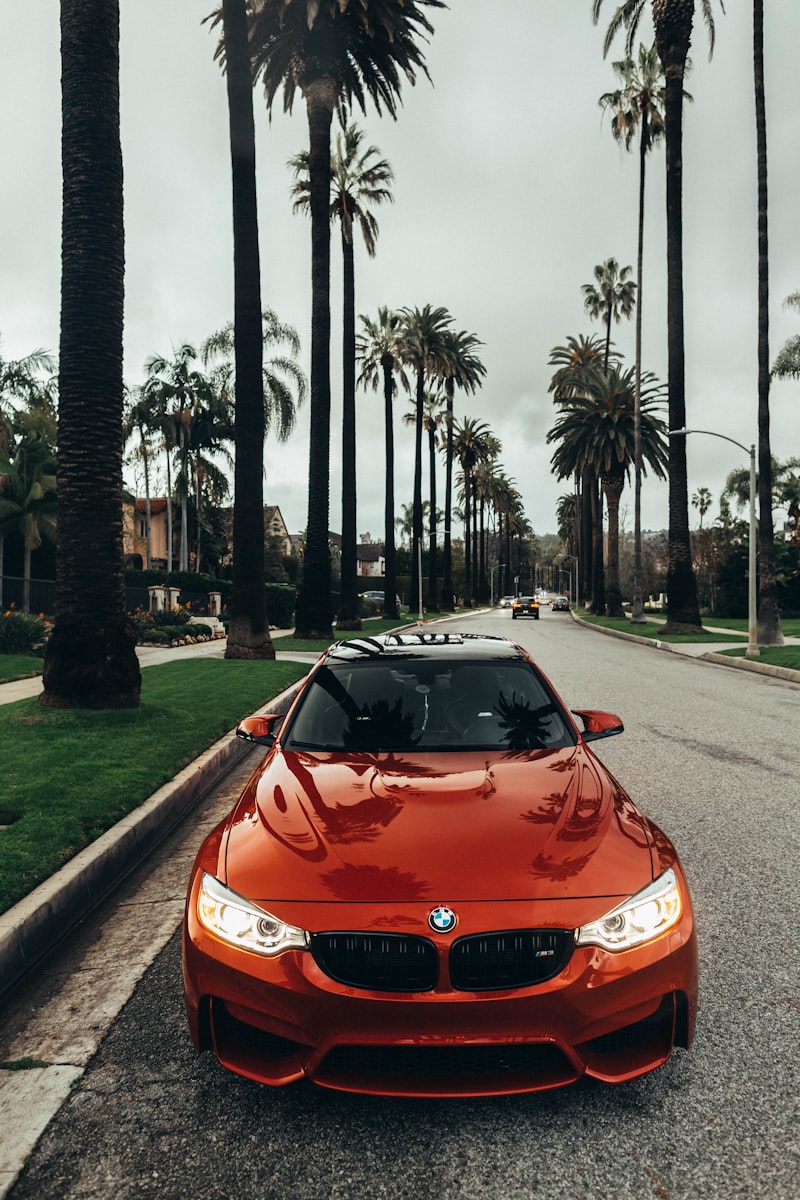
The vehicle: Make, model, year, and trim all matter. Cars that are expensive to repair, frequently stolen, or involved in more claims cost more to insure. A Honda Civic sedan typically costs less to insure than a BMW 3-series, even if they're worth similar amounts, because repair costs and claim history differ.
Your claims history: Even not-at-fault claims can affect your rate with some insurers. This is controversial and not all companies treat it the same way, so ask specifically when shopping.
Shop every year: This is the single most effective thing you can do. Get quotes from at least three to five companies or use a broker who shops multiple insurers for you. Rates vary enormously — I've seen $1,500 differences between companies for the identical coverage on the same vehicle. Loyalty to an insurer is expensive.
Bundle your policies: Most insurers offer a multi-line discount if you have home or tenant insurance with the same company. This can save 10-15% on your auto premium.
Install winter tires: Ontario law requires insurers to offer a discount to drivers who use winter tires. The discount is typically 3-5%, which might not sound like much, but on a $2,500 premium, that's $75 to $125 per year. Given that winter tires also improve your safety and reduce your accident risk, it's money well earned.
Increase your deductible: Moving from a $500 deductible to a $1,000 deductible can reduce your premium by 10-20%. Just make sure you have $1,000 available in case you need it. This strategy works especially well if you're a safe driver who rarely makes claims.
Ask about usage-based insurance: Several Ontario insurers offer telematics programs that track your driving habits and adjust your rate accordingly. If you're a careful driver who doesn't brake hard or speed, these programs can save 10-25%. The trade-off is that your insurer monitors your driving — which some people are comfortable with and others aren't.
Maintain a clean record: This is obvious but worth emphasizing. A single at-fault accident can increase your premium by 25-50% for six years. A major conviction can have even bigger consequences. Safe driving is the best long-term insurance discount available.
If you're under 25 and just got your G licence, your insurance quote is going to be alarming. Expect $3,500 to $6,000 per year as a primary driver. There's no magic trick to avoid this — insurers charge based on statistical risk, and new young drivers are statistically the highest-risk group.
Some strategies to manage this cost: be listed as an occasional driver on a parent's policy if possible. Choose a vehicle that's cheap to insure (our best first cars guide covers this). Complete a recognized driver training course. Stay clean — your first at-fault accident as a new driver will be financially devastating on your premiums.
Understanding the full cost of owning a vehicle in Ontario puts insurance in context with all the other expenses you'll be managing. And if you're debating whether to buy or lease, insurance premiums are an important factor in the leasing vs. buying analysis.
The Financial Services Regulatory Authority of Ontario (FSRA) regulates the auto insurance industry in the province. Their website has rate comparison tools, complaint processes, and information about your rights as a policyholder. It's an underused resource that every Ontario driver should know about.
Our top picks for winter tires that handle Ontario's toughest conditions.

Explore the best coastal routes around Georgian Bay.
What to check before buying a used vehicle in Ontario.