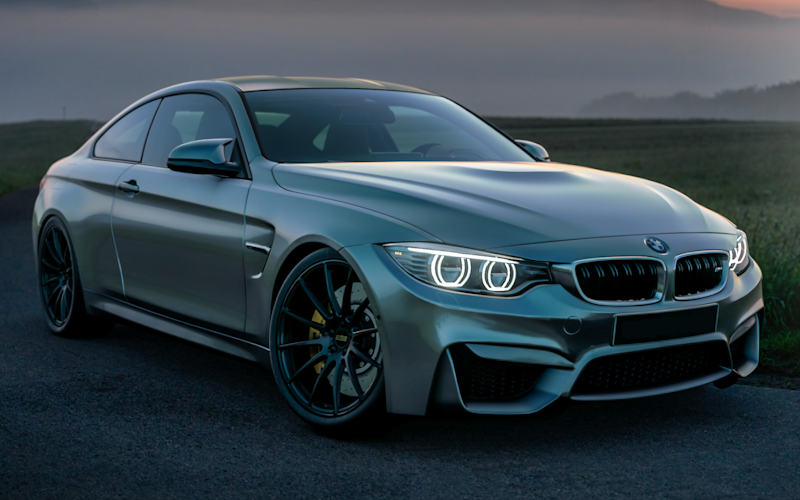
Our top picks for winter tires that handle Ontario's toughest conditions.
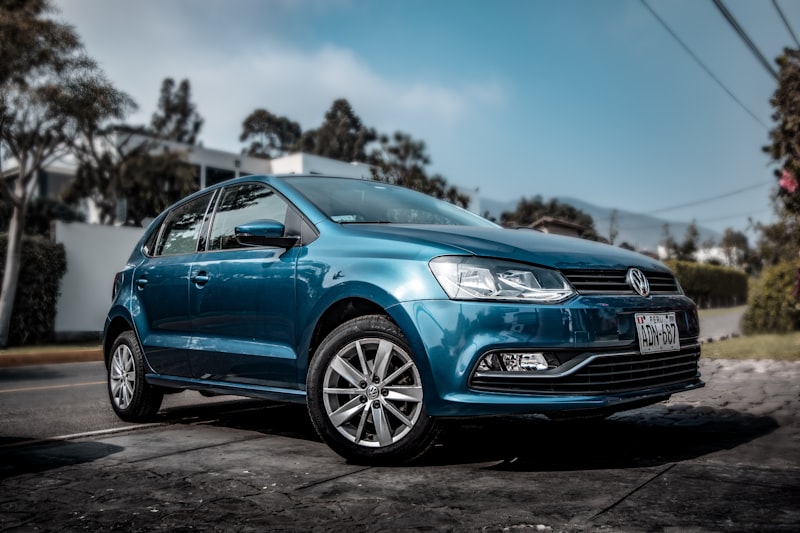
Your first car in Ontario has to do a lot of things at once. It has to be affordable to buy, affordable to insure (and insurance for new drivers in this province is genuinely painful), safe enough to protect someone who's still learning the nuances of driving, and reliable enough to handle Canadian winters without stranding you on the 401 during a February snowstorm.
That's a tall order, but there are vehicles that tick all these boxes. I've helped several younger family members buy their first cars, and the process has taught me what actually matters versus what new drivers think matters. Spoiler: it's never the sound system.
Before you fall in love with any car, get an insurance quote. Seriously. In Ontario, a new driver under 25 can pay $4,000 to $6,000 per year in insurance. The vehicle you choose directly affects that number. Sports cars, turbocharged engines, and certain models that are popular theft targets (looking at you, Civic Si) will push your premiums even higher.
The cheapest vehicles to insure for young drivers tend to be mid-size sedans and small SUVs with strong safety ratings and low theft rates. A Honda Civic sedan (not the Si) or Toyota Corolla will typically insure for $500 to $1,000 less per year than something like a Volkswagen GTI or Subaru WRX. Over four or five years, that difference pays for a significant chunk of the car itself.
For a deep dive into how the insurance system works and how to save, check out our guide to Ontario car insurance.
The Civic keeps showing up on every "best first car" list because it genuinely earns the spot. Reliability is exceptional. Fuel economy is excellent. Parts are cheap and available everywhere. Any mechanic in Ontario can work on a Civic. Safety ratings are consistently strong across generations.
For a first car buyer, I'd look at the 2016-2019 range. These cars are modern enough to have Honda Sensing safety features (automatic emergency braking, lane departure warning) and old enough to be in the $14,000 to $18,000 range. The base LX trim is the smart buy — it has everything you need and nothing you don't.
The Civic is also forgiving to drive, which matters when you're new behind the wheel. Good visibility, predictable handling, and a light steering feel make it easy to place in traffic and park in tight spots. In snow, a set of quality winter tires transforms it from tentative to confident.
If the Civic is the popular choice, the Corolla is the sensible one. It does nothing exciting, and that's its strength. Toyota's reputation for reliability isn't marketing — it's earned over decades of these cars simply refusing to break. Maintenance costs are among the lowest in the class.
The 2014-2019 generation is the target for first-time buyers. These cars are comfortable, efficient, and have good safety features. The Toyota Safety Sense package, available on 2017+ models, includes pre-collision braking and lane departure alert — features that genuinely help newer drivers.
Insurance rates on Corollas tend to be among the lowest in the compact class, which is a massive advantage for young Ontario drivers. The Corolla also holds its value remarkably well, so when you're ready to move on to something else in a few years, you'll get a good chunk of your money back.
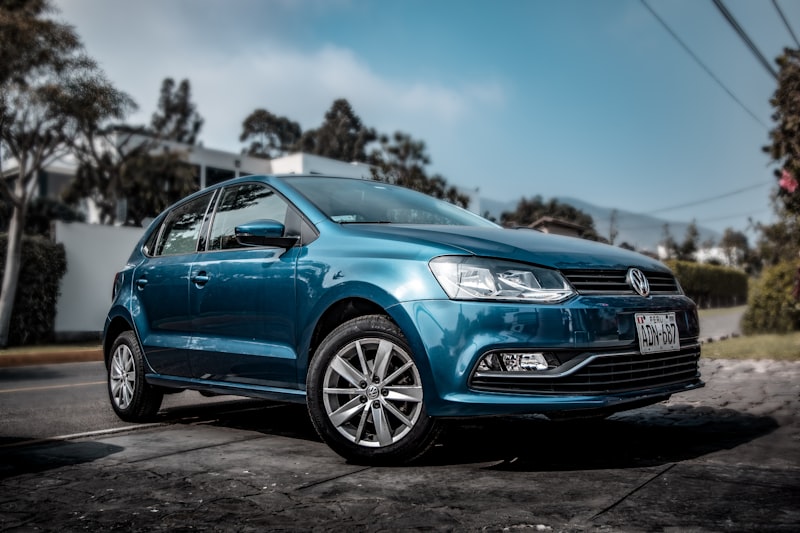
Not every new driver wants an appliance. If the idea of actually enjoying the drive matters to you, the Mazda3 is the pick. It handles better than anything else in its class, the interior feels premium, and reliability has been strong since the 2014 SkyActiv redesign.
The 2019+ models added available AWD, which is a real selling point in Ontario. Before 2019, it's front-wheel-drive only, which is perfectly fine with winter tires but doesn't inspire the same confidence on an unplowed side street at 6 AM.
Insurance is competitive with the Civic and Corolla. The one downside for a new driver is the back seat — it's snug. If you're regularly giving friends rides, this could be annoying. But for a daily driver that doesn't feel like punishment, the Mazda3 is hard to beat.
Hyundai has come a long way, and the Elantra is proof. The 2017+ models are well-built, feature-rich for the price, and come with an impressive warranty that's still partially transferable to second owners. If you're buying used, that remaining warranty coverage is a genuine safety net.
The Elantra is typically the least expensive option on this list, both to buy and to insure. A 2018-2020 model in good condition can be found for $12,000 to $16,000, which leaves room in the budget for proper winter tires and an emergency fund for unexpected maintenance.
It's not as fun to drive as the Mazda3 or as refined as the Civic, but it's a solid, honest car that does what you need. The fuel economy is excellent, the feature list is generous (heated seats are standard on most trims, which you'll appreciate every November through April), and the driving dynamics are perfectly adequate for a new driver.
A lot of new drivers — or their parents — are drawn to small SUVs for the perceived safety advantage of being higher up and having more metal around you. The reality is more nuanced. A compact sedan with strong crash test ratings (like the four cars above) is generally as safe as or safer than a small crossover. Modern safety engineering has more to do with crumple zones and airbag systems than vehicle size.
That said, if you're set on a crossover, the Hyundai Tucson and Mazda CX-30 are reasonable options. Just be prepared for higher insurance premiums, higher fuel costs, and a higher purchase price compared to the sedans. For most new drivers, the sedan is the smarter financial decision.
Budget for winter tires. This is not optional in Ontario. A set of dedicated winters on steel wheels will cost $600 to $900 and will make a bigger difference in your winter safety than any amount of driver training. Most insurance companies offer a discount for winter tires too, typically 3-5%.
Get a pre-purchase inspection before buying any used car. Budget $150 to $200 for this. It's the cheapest insurance you'll ever buy. Our used car buying checklist covers what to look for before you even get to the mechanic stage.
Don't buy more car than you need. A $20,000 car with $5,000 in insurance is a $25,000 first-year commitment. A $13,000 car with $4,500 in insurance is $17,500. That $7,500 difference is real money for someone starting out. You'll upgrade eventually — make your first car a financially smart one.
For more options beyond these four, our guide to the most reliable used vehicles in Canada covers additional models that hold up well to Canadian conditions.
The Financial Services Regulatory Authority of Ontario (FSRA) has tools and resources specifically for understanding auto insurance, which is especially useful for first-time buyers navigating the system for the first time.
Our top picks for winter tires that handle Ontario's toughest conditions.

Explore the best coastal routes around Georgian Bay.
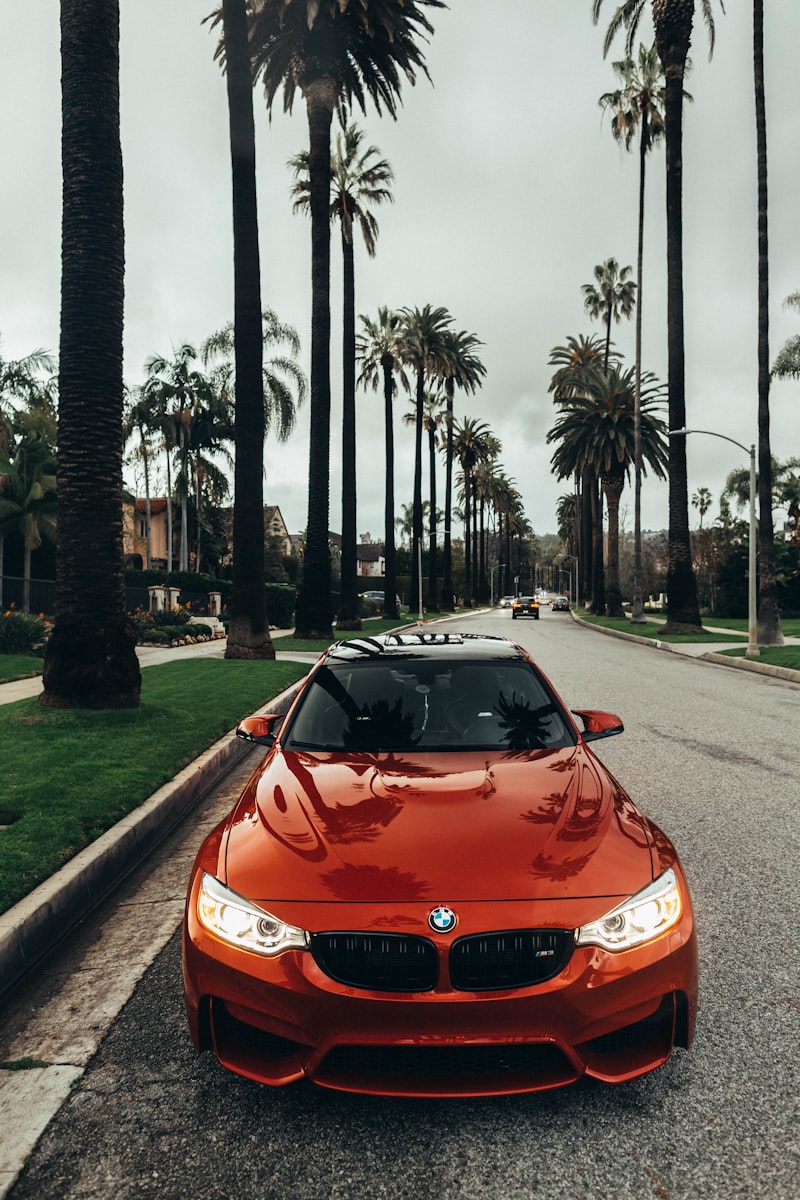
What to check before buying a used vehicle in Ontario.