
Our top picks for winter tires that handle Ontario's toughest conditions.
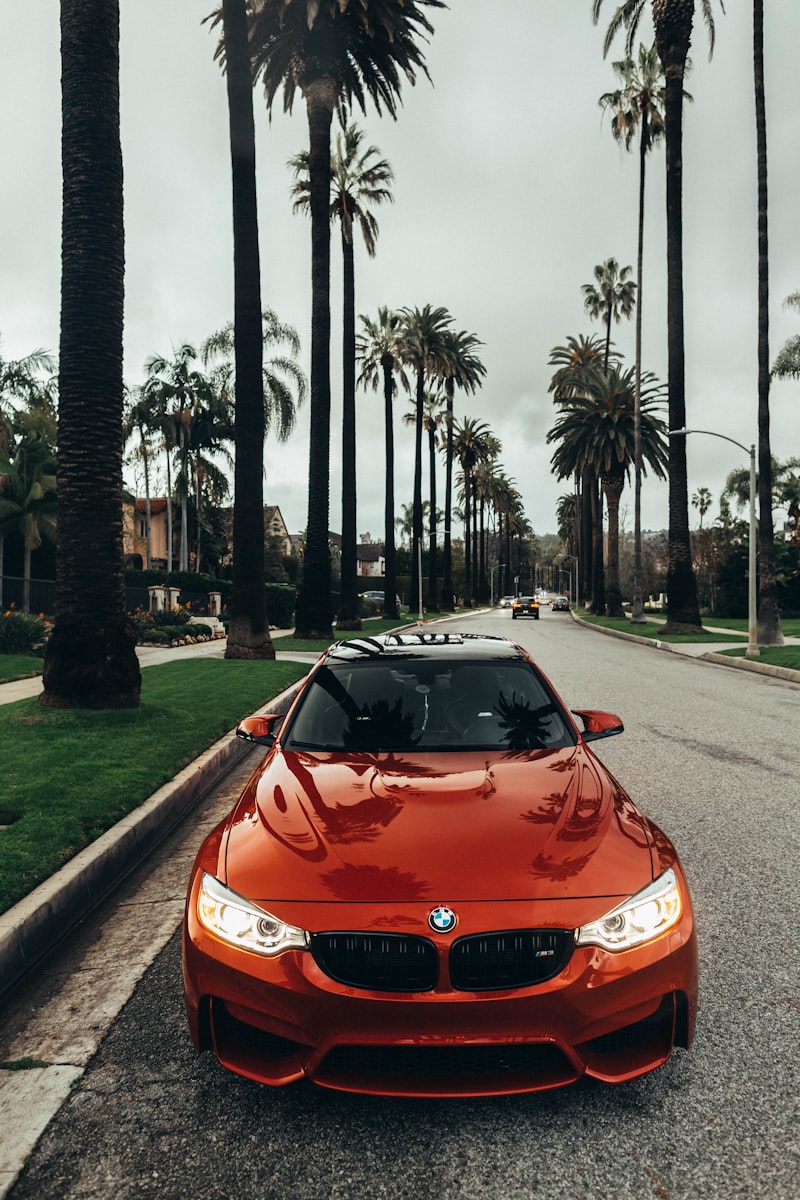
I learned the hard way what happens when you skip the inspection. Back in 2019, I picked up a "great deal" on a Chevy Cruze from a private seller in Hamilton. It looked clean on the surface. Three months later, my mechanic showed me rust holes in the subframe you could fit your thumb through. That car cost me more in repairs than I paid for it.
Ontario is brutal on vehicles. Between road salt, freeze-thaw cycles, and pothole season, a car that looks fine on top can be rotting underneath. Here's the checklist I use now every single time I look at a used car, and it's saved me from more than a few money pits.
Ontario salt eats cars alive. You need to check the usual suspects first, and none of this can be done in a dark parking lot at 7 PM. Always inspect in daylight.
Get on your hands and knees and look at the rocker panels — the panels below the doors. Run your fingers along them. If the paint is bubbling, that's rust pushing through from inside. Tap on them. If they sound hollow or crumbly, walk away. Next, check the wheel wells. Pull back the plastic liners if you can. This is where Ontario salt spray collects and goes to work.
The rear quarter panels just ahead of the rear wheels are another hot spot, especially on Hondas and Mazdas from the 2005-2015 era. Check along the bottom edge of the trunk lid and around the rear bumper mounting points.
If the seller says the car has been undercoated, that's either a great sign or a red flag. Good oil-based undercoating applied regularly is legitimate protection. But thick rubberized undercoating can also be hiding existing rust. If you see thick, uneven coating underneath, be suspicious — someone may have slathered it on to cover problems.
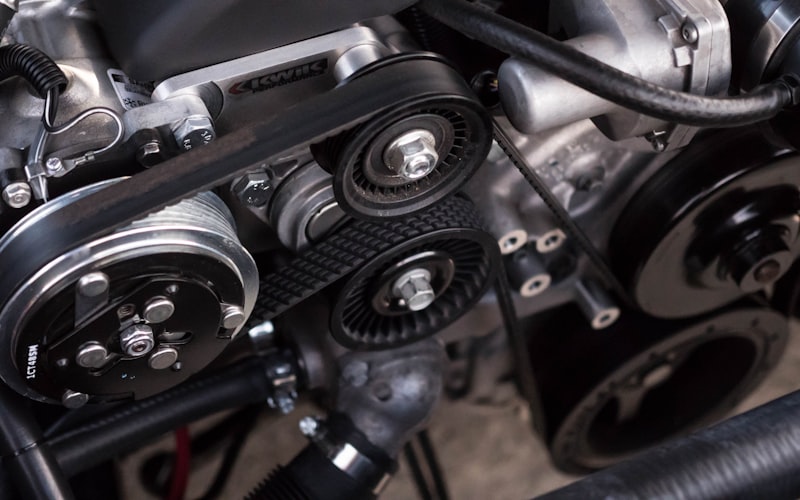
Pop the hood on a cold engine — don't let the seller warm it up before you arrive. A cold start tells you everything. Does it crank slowly? That could be a weak battery or a starter on its way out. Does it run rough for the first minute? Possible valve seal issues or worn piston rings.
Check the oil. Pull the dipstick and look at the colour and consistency. Dark brown is normal. Milky or foamy? That's coolant mixing with oil, which means a head gasket problem, and that's an expensive repair you don't want to inherit. Check the coolant reservoir too — oil in the coolant is the same bad news from the other direction.
Look at the transmission fluid if the car has a dipstick for it. It should be pinkish-red and smell slightly sweet. If it's brown or smells burnt, the transmission has been stressed. Transmission replacements in Ontario run $3,000 to $5,000 easily.
While you're under the hood, look for fluid leaks on the engine and around hose connections. Check the serpentine belt for cracks. Look at the battery terminals for corrosion — our winters are hard on batteries, and a corroded connection can leave you stranded in a Canadian Tire parking lot in January.
I don't care how nice the seller is — you need at least 20 minutes behind the wheel. Drive on city streets and get on the highway if possible. Here's what you're paying attention to:
Does the steering pull to one side? That could be alignment, but it could also be worn suspension components or even frame damage from a previous accident. Does the steering wheel vibrate at highway speed? That's usually tire balance, but it can indicate warped brake rotors or worn wheel bearings.
Test the brakes hard (make sure nobody's behind you). The car should stop straight without pulling. Any grinding noise means the pads are gone and possibly the rotors too. A pulsing brake pedal means warped rotors. Listen for clunks over bumps — worn struts, ball joints, or sway bar links are common on Ontario cars because our roads are so rough.
Try every gear if it's an automatic. Does it shift smoothly? Any hesitation between gears is a red flag. If it's a manual, does the clutch engage smoothly? A clutch that grabs right at the top of the pedal travel is nearly worn out.
Buy a cheap OBD-II scanner or download an app like Torque and use a Bluetooth adapter. Plug it into the port under the dashboard (every car since 1996 has one) and read the codes. Even if the check engine light isn't on, there may be pending codes or the light may have been cleared recently.
If the readiness monitors show "not ready," someone recently cleared the codes and hasn't driven enough for the system to re-test itself. That's a classic trick to hide problems. Walk away or at minimum ask for an explanation.
Always pull a vehicle history report. A CARFAX Canada report will show you accident history, service records, registration history across provinces, and whether the car was ever a daily rental or fleet vehicle. It's not perfect, but it catches a lot of problems.
Check the VIN plate on the dashboard against the ownership document. Make sure the car isn't branded as salvage or rebuilt. In Ontario, a rebuilt vehicle has been significantly damaged and repaired, and while they can be driven legally, insurance is more expensive and resale value takes a hit.
This is non-negotiable. Pay a trusted mechanic $150 to $200 to put the car on a lift and go through it. Any honest seller will agree to this. If the seller refuses, that tells you everything you need to know.
A good mechanic will check everything you can't see: suspension wear, exhaust system integrity, frame condition, and brake measurements. They'll also tell you what maintenance is coming up — timing belt, water pump, brake job — so you can factor those costs into your offer.
If you're not sure where to start your search, check out our guide to the most reliable used vehicles in Canada. And once you've found a car you like, make sure you understand what's involved in the Ontario vehicle safety inspection process before you close the deal.
The Ontario Motor Vehicle Industry Council (OMVIC) also has resources on your rights as a buyer in Ontario, whether you're purchasing from a dealer or a private seller. It's worth reading through their guides before you start shopping.
Buying a used car doesn't have to be a gamble. Take your time, follow the checklist, and don't let a good price override what your eyes, ears, and mechanic are telling you. There are plenty of solid used cars out there in Ontario — you just have to know how to find them.
Our top picks for winter tires that handle Ontario's toughest conditions.

Explore the best coastal routes around Georgian Bay.
What to check before buying a used vehicle in Ontario.