
Our top picks for winter tires that handle Ontario's toughest conditions.
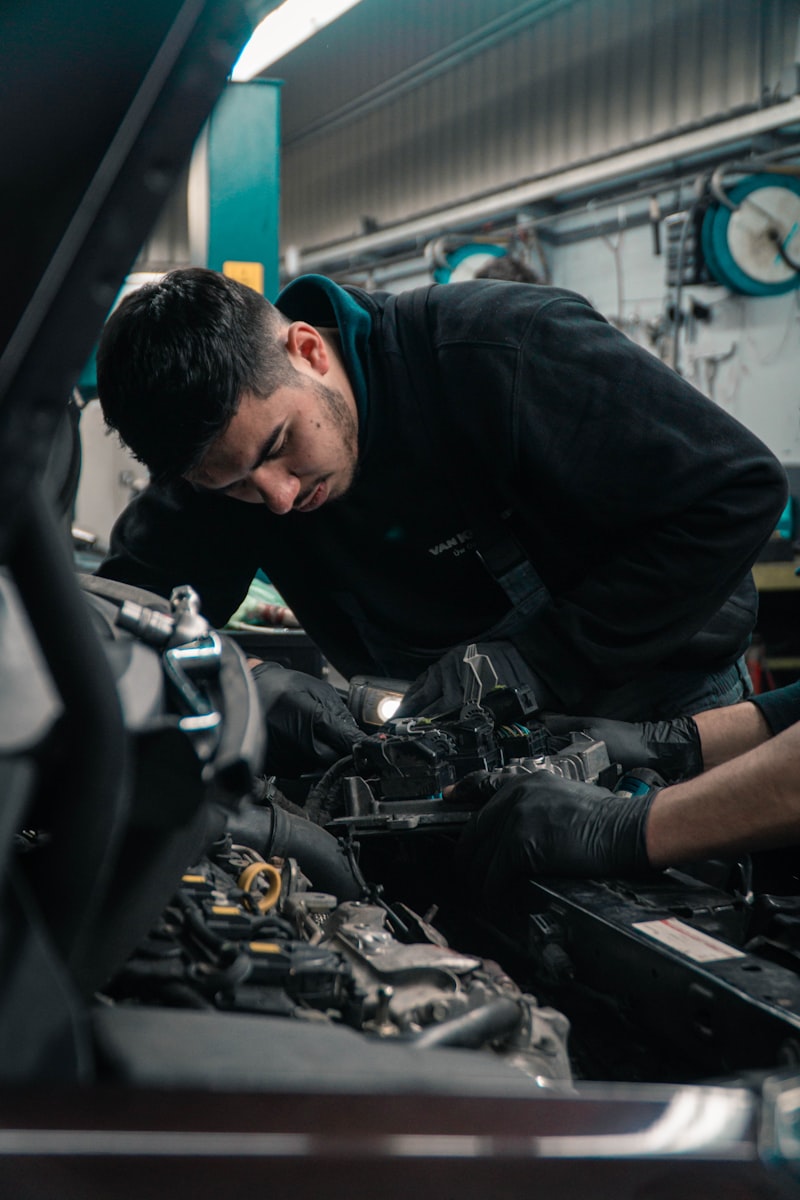
Last spring, I took my Accord in for a seasonal tire swap at a shop on Eglinton in Toronto. The technician pulled the front-left tire off and called me over. The inside edge was worn down to nearly bald while the outside still had plenty of tread. I'd been driving all winter with, effectively, a half-functional tire on the front of my car. I'd had no idea.
Uneven tire wear is one of those problems that's invisible unless you look for it — you can't see the inner edge of a mounted tire without getting underneath the car. But it's incredibly common in Ontario, largely because our roads beat the daylights out of suspension components and alignment settings. Here's what the different wear patterns mean and what to do about them.
If the inside edge of your tire is wearing faster than the rest, negative camber or toe misalignment is almost always the cause. This is the single most common uneven wear pattern I see, and Ontario's potholes are the primary villain.
Here's what happens: you hit a nasty pothole on Dufferin or catch a frost heave on Highway 7, and the impact shifts your wheel alignment just enough that the wheel tilts slightly inward at the top (negative camber) or the wheels point slightly toward each other (toe-in). The tire then rides on its inner edge, grinding it down while the rest of the tread barely touches the road.
The fix is a proper four-wheel alignment, which typically runs $100-150 at most shops in Ontario. But — and this is important — if the alignment was knocked out by a pothole hit, check for bent or damaged suspension components first. An alignment on a bent control arm is a waste of money because it'll go right back out. Read more in our guide to wheel alignment.
Wear concentrated on the outer edges of the tire, with the centre still looking good, typically points to chronic underinflation. When a tire is low on air, it sags and the centre lifts slightly off the road. The shoulders carry all the load, and they wear down much faster.
This is especially common in Ontario because of our temperature swings. A tire inflated perfectly in September can be 5-8 PSI low by December without any actual leak — just physics. Every 5°C drop in temperature costs you about 1 PSI. If you're not checking pressure regularly through the fall and winter, edge wear is almost inevitable. Our article on tire pressure in cold weather covers this in detail.
Outside edge wear can also indicate positive camber — the top of the wheel tilting outward — which is less common but can happen from worn ball joints or control arm bushings. If your inflation is correct and you're still seeing outer edge wear, get the suspension inspected.
The opposite of edge wear: if the centre of the tread is wearing faster than the shoulders, your tires are overinflated. Too much air pushes the centre of the tread outward so it carries a disproportionate share of the load.

I see this in drivers who over-correct after learning about cold-weather pressure loss. They pump their tires to 40 or 42 PSI "just to be safe," when the vehicle's recommended pressure is 32-35. Always inflate to the pressure listed on the driver's door jamb sticker, not the maximum pressure printed on the tire sidewall. Those are very different numbers.
Cupping looks like a series of dips or scallops around the tread circumference — almost like someone pressed their thumb into the rubber at regular intervals. This pattern points to worn suspension components, most commonly shocks or struts that are no longer damping properly.
When shocks wear out, the tire bounces slightly with every road imperfection instead of staying firmly pressed against the pavement. Each bounce creates a high-pressure point that wears a scallop into the tread. You'll often feel this as a rhythmic vibration or hear a wup-wup-wup sound at highway speed.
Ontario roads accelerate shock and strut wear. The constant pounding from rough pavement, frost heaves, and potholes means shocks that might last 80,000 km in milder conditions often need replacement at 60,000-70,000 km here. If you're seeing cupping, the tires need replacement and the shocks need to be done first, or the new tires will cup too.
If a single tire is wearing dramatically differently from the others, that specific corner likely has a bent or damaged component. A bent rim from a pothole hit, a bent tie rod, a damaged strut — these create wear patterns that are localized to one wheel position.
This is where a good mechanic earns their money. The visual alignment check, the inspection of individual components, the test drive to feel for issues — it takes experience to diagnose correctly. Don't just get an alignment and hope for the best; make sure the underlying cause is identified and fixed.
Run your hand across the tread (carefully). If it feels smooth in one direction but rough or sharp in the other, that's feathering. It's caused by toe misalignment — the tires are pointed slightly toward or away from each other rather than straight ahead. Each tread block gets dragged sideways slightly with every revolution, wearing a ramp shape into the rubber.
Feathering from toe misalignment is one of the easier fixes — a standard alignment adjustment will correct it. But if the tires are significantly feathered, they'll never wear evenly again even after alignment. Badly feathered tires should be replaced.
The math is simple: a set of decent tires for a midsize car in Ontario runs $600-1,000. An alignment costs $100-150. Shock replacement is $400-800 for a pair. But catching a problem early — before it's destroyed a set of tires — saves the cost of premature tire replacement every time.
My personal routine: check tire pressure monthly, get an alignment check after any significant pothole hit and at least once a year in spring, and actually look at the tires during every oil change. Pull into the driveway, turn the wheel full lock, and inspect the inner edges that you can't normally see. Five minutes of looking can save you hundreds of dollars.
Understanding wear patterns also helps you get more life from your tires overall — check our guide on how long tires should actually last for the full picture.
For the legal minimum tread depth standards and tire safety regulations in Ontario, Transport Canada's tire safety page is the definitive reference.
Our top picks for winter tires that handle Ontario's toughest conditions.

Explore the best coastal routes around Georgian Bay.

What to check before buying a used vehicle in Ontario.