
Our top picks for winter tires that handle Ontario's toughest conditions.
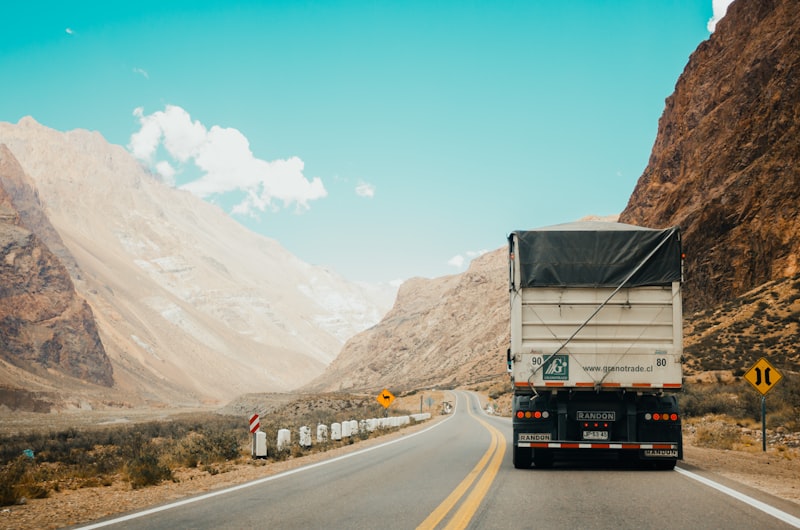
I used to be the person who threw a bag in the trunk and figured the rest would sort itself out. Then I broke down on Highway 17 north of Sudbury with no cell service, no water, and a spare tire I'd never actually checked. That was the trip that converted me into a list person. Not a fussy, obsessive list person, but someone who spends 15 minutes before a road trip making sure the basics are covered.
Ontario road trips cover a huge range of conditions. You could be driving through 35-degree heat on the Niagara wine trail and through near-freezing temperatures in Algonquin Park on the same weekend in September. The distances are real, the services can be sparse, and the weather does whatever it wants. Here's what to pack, organized by category, with seasonal adjustments based on actual Ontario conditions.
These stay in your vehicle permanently. Not in the garage, not in the house, in the car.
Jumper cables or a portable jump starter. The portable ones are better because they don't require a second vehicle. I switched to one three years ago and have used it twice, once for myself and once for a stranger in a grocery store parking lot. They're about $80 and worth every cent.
Tire pressure gauge and a portable air compressor. The compressors that plug into your 12V outlet are small, cheap, and can get you to a service station if you pick up a slow leak on a gravel road somewhere in cottage country. I keep a small one in my trunk that cost $40 from Canadian Tire.
Basic first aid kit. Band-aids, gauze, antiseptic, pain relievers, any prescription medications you take regularly. Check it once a year and replace anything expired.
Flashlight with extra batteries. Not your phone flashlight. An actual flashlight. Your phone battery is too valuable if you're stranded to burn it on illumination. A headlamp is even better because it keeps your hands free.
Basic tool kit. Screwdrivers (Phillips and flathead), pliers, adjustable wrench, duct tape, zip ties. You'd be amazed what you can temporarily fix with duct tape and zip ties.
Reflective triangles or flares. If you're stopped on the shoulder of a rural highway at night, visibility is everything. Reflective triangles fold flat and store easily.
Ontario summer road trips have their own packing requirements, mostly related to heat and insects.
Extra water. More than you think you need. I carry a case of bottled water on any trip longer than a couple of hours. If you break down in July heat, dehydration becomes a real concern fast. Water is also essential for overheating engines, topping up windshield washer fluid, and cleaning bugs off your windshield when the washer runs dry (and it will on a Highway 17 summer drive).
Sunscreen and bug spray. Every stop, viewpoint, and trailhead in Ontario between June and September requires both. The mosquitoes and blackflies north of Barrie are legendary for a reason. Don't forget sunscreen for driving, either. Your left arm gets significantly more UV exposure through the driver's window than you'd expect on a long drive.

Cooler with ice. A properly packed cooler means you're not at the mercy of whatever the next gas station has to offer. Pack drinks, fruit, sandwiches, and cheese. The money you save on gas station food adds up fast on a multi-day trip.
Windshield sun shade. If you're stopping for hikes or sightseeing, a sun shade keeps the cabin from becoming an oven. Your steering wheel will actually be touchable when you get back.
Winter road trips in Ontario require serious preparation. This is not optional gear. Check our winter emergency kit guide for the complete list, but at minimum:
Blankets or sleeping bags. If you get stranded in a snowstorm, staying warm without running the engine (carbon monoxide risk) is priority one. Wool blankets or compact sleeping bags stored in the trunk can literally save your life.
Ice scraper and snow brush. Obviously. But also a small folding shovel. If you slide into a snowbank or a parking lot hasn't been plowed, being able to dig yourself out beats waiting for a tow truck that might take hours in a storm.
Traction aids. Sand, kitty litter, or dedicated traction mats. Pour sand or litter under your drive wheels if you're stuck on ice. It works.
Extra warm clothing. Even if you're dressed for your destination, keep a winter coat, boots, hat, and gloves in the car. If you're dressed for dinner in Ottawa and break down on Highway 7, you need to be able to survive outside temperatures.
Candle and matches in a tin can. Old-school, but a candle burning inside a tin can inside your car generates a surprising amount of heat. Enough to keep the cabin above freezing if you're stranded.
This deserves its own section because road trip snacks are both a survival issue and a quality-of-life issue.
Pack high-energy, non-perishable snacks that don't create a mess in the car. Trail mix, granola bars, beef jerky, dried fruit, and crackers with peanut butter are the classics for a reason. Avoid anything chocolate-based in summer unless it's in the cooler, unless you enjoy cleaning melted chocolate off your seats.
For drinks, water is the priority. Coffee in a good thermos is a road trip essential for early morning departures. Skip the energy drinks. They cause a spike and crash that makes the driver drowsy, which is the opposite of what you want on a long highway stretch.
If you're driving through small-town Ontario, budget time for local food stops. The butter tarts in Midland, the pie at a farm stand in Prince Edward County, the fish and chips in a harbour town on Georgian Bay. Part of the road trip experience is eating local, so don't pack so much food that you skip the stops.
Downloaded offline maps. I cannot stress this enough. Large parts of Ontario have no cell service. Google Maps, Apple Maps, whatever you use, download the offline maps for your entire route before you leave. Do this on WiFi at home. If your phone dies, a paper Ontario road atlas from CAA is a $10 backup that never needs charging.
Downloaded podcasts, audiobooks, and music. Same principle. Don't rely on streaming. Download everything to your device before departure. A good audiobook can make a four-hour highway stretch feel like one hour.
For kids: activity books, tablet loaded with downloaded content, car games (licence plate bingo works surprisingly well on the 400-series), and headphones. Multiple sets of headphones. This is non-negotiable.
If your road trip includes camping, which many of the best Ontario routes do, add these to the base list: tent and sleeping setup (test it at home before the trip), camp stove and fuel, dishes and utensils, water filtration or purification if you're going backcountry, bear spray in northern areas, and a tarp. A tarp is the most versatile piece of camping gear you can carry. Shelter, ground cover, rain fly, gear cover. Bring a tarp.
Book provincial park campsites well in advance through Ontario Parks. Popular sites like Killarney, Algonquin, and Bon Echo book up months ahead for summer weekends.
Before you leave, spend 15 minutes on the basics. Check tire pressure on all five tires (yes, the spare counts). Top up windshield washer fluid. Verify your oil level. Make sure all lights work. Clean your windshield, headlights, and mirrors. This takes almost no time and catches problems before they become highway emergencies.
For longer trips, a more thorough vehicle preparation is worth the effort, especially if you're heading into remote areas where help is far away.
The best packing list is the one you actually use. Keep a copy in your glove box or as a note on your phone. Run through it before each trip. It becomes second nature after a few times, and the one time it saves you from being stranded without water or warmth, you'll be glad you did it.
Our top picks for winter tires that handle Ontario's toughest conditions.

Explore the best coastal routes around Georgian Bay.
What to check before buying a used vehicle in Ontario.