
Our top picks for winter tires that handle Ontario's toughest conditions.

There's a reason half the vehicles on Ontario highways in February seem to be trucks. When the snow hits, the roads go to garbage, and you need to haul a snowblower, salt, or a cord of firewood, nothing beats a pickup. But trucks in Ontario face a unique challenge: they need to be tough enough for winter work while surviving the salt that eats them alive from the bottom up.
I've owned trucks in this province for over a decade, and the difference between a good winter truck and a money pit often comes down to a few key factors that have nothing to do with horsepower or towing ratings. Here's what to look for and which models hold up best.
If longevity is your priority, the Tacoma is hard to argue against. Toyota's reputation for building trucks that outlast their owners is well-earned, and the Tacoma is the poster child. The 3.5L V6 is robust, parts are readily available, and these trucks hold their value better than anything else in the segment — which is great if you own one and frustrating if you're trying to buy one.
Toyota addressed their notorious frame rust issues (which plagued the 2005-2010 generation) and the newer frames are significantly better protected. The 2016+ third-generation models benefit from improved corrosion protection and a more refined driving experience. Still, always check the frame and undercarriage carefully on any used Tacoma in Ontario — no truck is immune to our salt.
The 4x4 system is a proper part-time setup with a low-range transfer case, which is what you want for serious snow and off-road capability. The TRD Off-Road trim adds a rear locker, which is genuinely useful when you're stuck at the end of an unplowed cottage road in Muskoka.
The downside: price. Used Tacomas command a premium that borders on absurd. A 2018 with 100,000 km might still be listed at $35,000 or more. You're paying for that reliability and resale reputation. Whether the premium is worth it depends on how long you plan to keep it — if the answer is 10+ years, the math works in your favour.
The F-150 is Canada's best-selling vehicle for a reason. It's available in so many configurations that there's essentially an F-150 for every budget and use case. For Ontario winters specifically, the 2015+ aluminum-body generation is the one to look at. The aluminum panels don't rust like the old steel bodies, which is a massive win for longevity in this province.
Engine choices matter here. The 5.0L V8 (Coyote) is the simple, proven choice — naturally aspirated, tons of parts availability, and a known track record well past 300,000 km. The 2.7L and 3.5L EcoBoost engines offer better fuel economy and strong performance, but they add turbo complexity that means more potential maintenance as the vehicle ages.
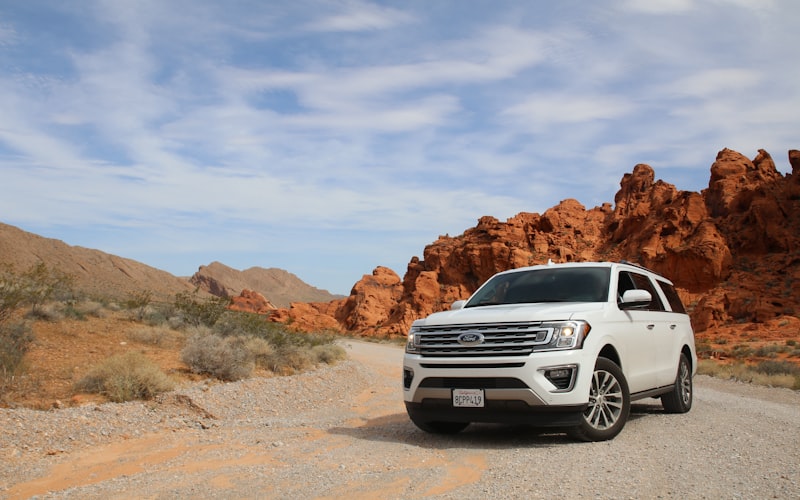
For winter use, the 4x4 models with the electronic-locking rear differential are the way to go. The FX4 off-road package adds skid plates and tuned suspension — useful if you're regularly on unpaved roads or dealing with deep snow.
Watch for: the frame is still steel and subject to Ontario salt corrosion, even though the body panels are aluminum. Check frame condition carefully on any used F-150. Also, the earlier 10-speed automatic transmissions (2017-2019) had some rough-shifting complaints that were largely addressed through software updates — verify the update has been applied.
Pricing is more reasonable than Tacomas. A 2018 F-150 XLT 4x4 in good condition typically lists for $28,000 to $35,000 depending on mileage and options.
The Silverado has always been a solid, workmanlike truck. The 2014-2018 generation (K2XX platform) is a good used buy — the 5.3L V8 with the 6-speed automatic is a combination that has proven itself over millions of kilometres. It's not fancy, but it's dependable.
The 2019+ generation brought a significant redesign with a lighter frame, more technology, and better fuel economy. It also introduced GM's Dynamic Fuel Management (cylinder deactivation) system, which has been mostly trouble-free but does make some owners nervous. If that concerns you, stick to the 2014-2018 models for simplicity.
For Ontario winters, the Z71 off-road package is the trim to look for. It includes a proper 4x4 system with a 2-speed transfer case, skid plates, and a suspension tuned for rough terrain. The Rancho shocks on the Z71 handle Ontario's pothole-scarred roads noticeably better than the base suspension.
Rust-wise, the Silverado is middle of the pack. Better than older domestic trucks but not as resistant as the aluminum-bodied F-150. Brake lines and fuel lines are common rust points. Regular undercoating and washing the underside in winter are essential maintenance for any Silverado in Ontario.
The Ram 1500 — particularly the 2019+ fifth generation — is the most comfortable truck in the segment by a wide margin. The available air suspension, the premium interior materials, and the ride quality make it feel more like a luxury SUV than a work truck. If you're using your truck as a daily driver and commuting in Ontario traffic, the Ram's comfort advantage is significant.
The 5.7L Hemi V8 is the engine most buyers go for. It's powerful, has a satisfying exhaust note, and has a generally strong reliability record. Fuel consumption is the trade-off — the Hemi is thirsty, and in mixed Ontario driving, expect 14-16L/100km. The eTorque mild-hybrid version offers modest fuel savings and smoother start-stop operation.
Ram's biggest weakness in Ontario is rust. The 2009-2018 fourth generation (DS/DT platform) has well-documented corrosion issues, particularly in the rear wheel wells, cab corners, and lower fenders. If you're looking at this generation, an extremely thorough rust inspection is mandatory. The 2019+ models use improved corrosion protection, but it's still too early to know how they'll hold up after 8-10 Ontario winters.
The 4x4 system is straightforward and effective. The air suspension option allows you to raise the ride height for deep snow, which is a practical winter feature that no other half-ton offers from the factory.
All the trucks above use traditional 4x4 systems with a transfer case, which is different from the AWD systems found in SUVs and crossovers. The key difference: part-time 4x4 is engaged manually (or automatically in some newer systems) and should only be used on slippery surfaces or off-road. Using it on dry pavement can damage the drivetrain.
Some newer trucks offer an "auto" 4x4 mode that operates similarly to AWD, sensing wheel slip and engaging the front axle as needed. This is the most convenient option for daily Ontario winter driving — you don't have to remember to switch modes, and it handles the constantly changing conditions of a typical winter commute.
Regardless of your drivetrain, dedicated winter tires are the single biggest factor in winter traction. A 4x4 truck on all-seasons will be outperformed by a 2WD truck on proper winters in most conditions. The 4x4 system helps you start moving; the tires determine whether you can stop and steer.
Trucks are expensive to fuel. There's no way around it. Even the most efficient options on this list average 11-13L/100km in real-world Ontario driving (combined city/highway). At current gas prices, that's $3,200 to $3,800 per year for an average driver. If you're towing or doing mostly city driving, those numbers climb further.
This is the main trade-off of truck ownership. You get capability, ground clearance, and versatility, but you pay for it at the pump every week. Factor fuel costs into your budget before falling in love with any truck.
For reliability data on specific model years, check our guide to the most reliable used vehicles in Canada. And before you hand over money for any used truck, run through our complete buying inspection checklist — rust inspection is doubly important on trucks. You may also want to read about the best winter tires for Ontario, because on a truck, tire choice makes an enormous difference.
The Natural Resources Canada Fuel Consumption Guide provides official fuel consumption ratings for all vehicles sold in Canada, which is useful for comparing real-world costs between truck models.
Our top picks for winter tires that handle Ontario's toughest conditions.

Explore the best coastal routes around Georgian Bay.
What to check before buying a used vehicle in Ontario.