
Our top picks for winter tires that handle Ontario's toughest conditions.
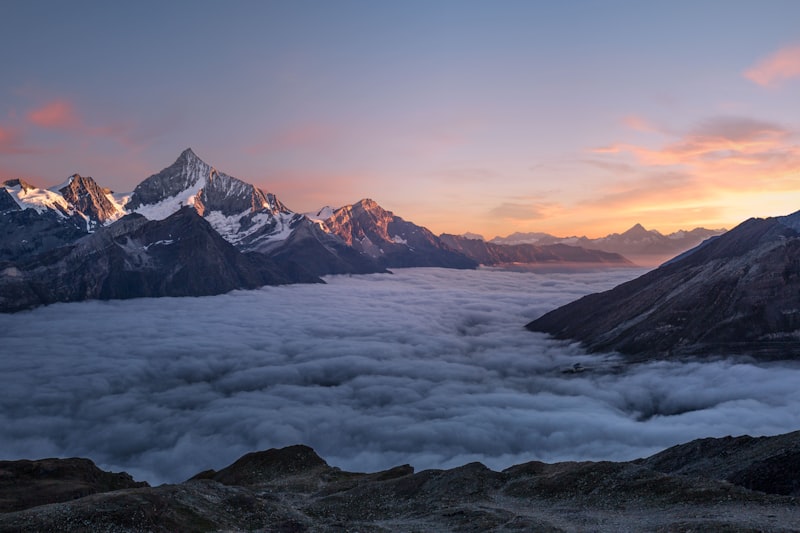
Muskoka has a reputation problem, at least among drivers. Most people think of it as the place where Highway 400 turns into a parking lot every Friday afternoon from June through September. And that's true. But get off the main arteries and onto the district roads, and Muskoka has some of the most satisfying driving in Ontario. Roads that rise and dip with the Canadian Shield, curve around granite outcrops, and break open into lake views that hit you right in the chest.
I've been driving these roads since I was old enough to borrow my parents' car, and I'm still finding new ones. Here are the routes that I keep coming back to, the ones I suggest to anyone heading up to cottage country who wants to actually enjoy the drive instead of just enduring it.
If you only drive one road in Muskoka, make it this one. Road 118 runs east-west across the district, connecting Bracebridge to Haliburton, and it's the platonic ideal of a Muskoka drive. The road follows the terrain rather than fighting it, rising over Shield ridges and descending into valleys with a rhythm that makes the 80 km/h limit feel just right.
The western section between Bracebridge and the village of Port Sydney is the most popular stretch, and for good reason. The road passes over a series of granite hilltops with panoramic views of the surrounding forest. In fall, this section is jaw-dropping. The maples along the roadside turn first, then the hardwood canopy behind them, creating layers of colour that change daily through October.
East of Port Sydney, the road gets quieter and the terrain gets wilder. The stretch between Highway 11 and Carnarvon is less travelled but equally scenic, winding through deeper forest with periodic lake glimpses. The small community of Dorset, just off 118 on Highway 35, is worth the detour. The Dorset Lookout Tower gives you a 360-degree view of the fall canopy from 142 metres above the lake. It costs a few dollars and it's worth every penny.
Road conditions on 118 are generally good, but watch for frost heaves in spring. The Shield bedrock causes uneven freezing and thawing that can create sudden bumps and dips in the pavement. Locals know where they are. You don't. So keep your speed reasonable in April and May.
Yes, Highway 11 is a major provincial highway. No, it's not the boring divided highway you're picturing. North of Bracebridge, Highway 11 narrows to two lanes and starts weaving through some genuinely beautiful landscape. The section between Huntsville and North Bay is particularly good, cutting through the transition zone between Muskoka's lake country and the boreal forest to the north.
The stretch through Burk's Falls and Sundridge follows the south branch of the Magnetawan River, and there are pull-offs along the way with river views. Burk's Falls itself has a pretty waterfall right in town, visible from the bridge, and the bakery on the main street makes a cinnamon bun that's worth the stop.
If you're heading this way, the Georgian Bay routes are easily accessible by cutting west at Huntsville on Highway 60 or at Sundridge on Highway 124. The combination of the 11 corridor and a Georgian Bay loop makes for an excellent two-day driving weekend.
Traffic on Highway 11 can be heavy on summer weekends, especially the section between Gravenhurst and Huntsville. The passing lanes come and go, and getting stuck behind a slower vehicle on a no-pass section is part of the experience. Patience here is a safety issue, not just an etiquette one. The oncoming traffic moves fast and the sightlines are short.
Technically the Haliburton Highlands are east of Muskoka proper, but the driving experience is similar and the roads connect seamlessly. This area is less developed than Muskoka, which means fewer cottages, less traffic, and more wildlife. It also means fewer services, so fill up your tank in Minden or Haliburton village.
County Road 21 from Haliburton to Wilberforce is an outstanding drive through dense hardwood forest with elevation changes that give you views over the treetops. The road is well-maintained but narrow, and you'll share it with logging trucks during the week. Give them space. They're bigger than you and carrying a lot of weight.
Highway 28 south of Bancroft is another highlight, following the York River valley through some of the most dramatic terrain in the region. The road descends into the valley at one point with a view that honestly takes your breath away in October. I've driven it in every season, and while fall is the showstopper, the spring wildflowers along the roadside and the winter snow-covered pines have their own appeal.
The Haliburton area connects well with the cottage country routes and makes a natural extension of any Muskoka driving trip.
This is my personal favourite loop, and it's one that most visitors miss completely. The Lake of Bays circuit follows a series of district roads around the lake of the same name, roughly between Huntsville and Dorset. The total loop is about 90 kilometres, and you should budget two to three hours including stops.
Start in Huntsville and head east on Muskoka Road 23 (Ravenscliffe Road) toward Dwight. The road follows the shoreline intermittently, with views of the lake appearing through the trees. At Dwight, turn south on Highway 35 and follow it to Dorset, stopping at the lookout tower mentioned earlier. From Dorset, Muskoka Road 8 takes you back west toward Baysville and eventually back to Highway 11.
The Baysville section of this loop is particularly charming. The village sits right on the water, and there's a small beach and park that makes a good leg-stretch stop. The road between Baysville and Highway 11 passes through some classic Shield landscape, granite and pine and lake, that feels timeless.
This circuit is at its absolute best in late September and early October. The mix of hardwoods and conifers around Lake of Bays creates a patchwork of colour against the dark water that looks like a painting. But it's also excellent in summer, when the lake is busy with boats and the small towns along the route have their restaurants and shops open.
Since fall colour is the main draw for many Muskoka driving trips, here's what I've learned about timing it. The colours in Muskoka typically peak between the last week of September and the second week of October. The higher elevations and northern areas turn first, with the lakeside roads following about a week later.
Weekdays are dramatically better than weekends for fall colour drives. The roads are emptier, the light is the same, and you can actually stop at overlooks without competing for space. If you can take a Friday off and drive up Thursday evening, you'll have Friday morning essentially to yourself on roads that will be bumper-to-bumper by Saturday noon.
For the best colour, look for roads that pass through mixed forest. Pure pine sections stay green, obviously. The magic is in the transition zones where maples, birch, and oak mix with the evergreens, creating that red-orange-gold-against-green contrast that makes Muskoka famous. Road 118 and the Haliburton loops are best for this.
Check the Ontario Parks website for fall colour reports during the season. Provincial parks like Algonquin and Arrowhead post regular updates, and their reports give you a reliable sense of where the colour is peaking across the region.
Planning a larger loop? These Muskoka roads connect naturally with our best Ontario road trip routes for multi-day adventures through the province's most scenic regions.
Our top picks for winter tires that handle Ontario's toughest conditions.

Explore the best coastal routes around Georgian Bay.

What to check before buying a used vehicle in Ontario.