
Our top picks for winter tires that handle Ontario's toughest conditions.
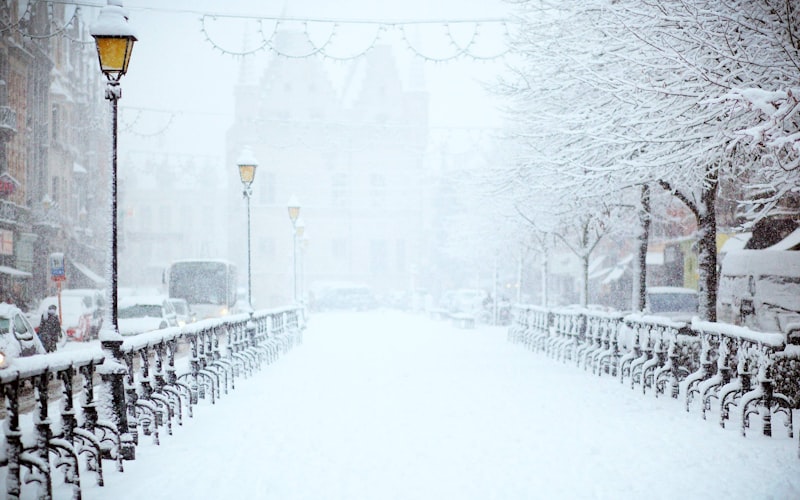
If you've driven through an Ontario ice storm, you know the feeling. The rain looks normal on your windshield, but the moment you touch the brakes, you realize every surface outside is coated in a sheet of invisible glass. I've driven in blizzards, whiteouts, and monsoon-level downpours, and nothing scares me like freezing rain. It's the one condition where the road can go from manageable to undriveable in minutes, with zero visual warning.
The 1998 ice storm that devastated eastern Ontario and Quebec is still talked about decades later, and smaller freezing rain events happen every single winter across the province. Knowing how to handle them, and more importantly, knowing when not to drive in them, is essential knowledge for anyone on Ontario roads.
Freezing rain occurs when rain falls through a thin layer of cold air near the ground. The rain is liquid when it leaves the cloud, stays liquid as it falls, and freezes on contact with any surface at or below 0°C. Unlike snow, which gives you some texture and grip, freezing rain creates a smooth, clear ice layer that's almost impossible to see.
The danger zone is when air temperatures are between -2°C and 1°C. That narrow band is where freezing rain thrives, and it's a temperature range Ontario sits in constantly during November through March. Check Environment Canada's weather alerts before heading out. Freezing rain warnings should be taken seriously, they're not issued casually.
Here are the warning signs I watch for:
Your windshield wipers start leaving a film or icy residue, even though the rain looks normal. Ice starts building up on your antenna, side mirrors, or the edges of your windshield outside the wiper sweep area. Other cars' spray looks wetter than usual, or the road surface has an unusual sheen. Your car feels slightly vague in the steering, like the tires are skating on a thin layer rather than gripping pavement.
The most insidious thing about freezing rain is that it often starts as regular rain. You can be driving in perfectly normal conditions and not realize the temperature has dropped just enough to turn rain into ice. That's why monitoring the temperature readout on your dash is important when conditions are marginal.
If you're already on the road when freezing rain starts, here's how to manage it:
Reduce speed immediately. Not gradually over the next few kilometres. Right now. Freezing rain on pavement is slicker than snow. Your stopping distance on ice can be ten times longer than on dry road.
Increase following distance dramatically. I'm talking eight to ten seconds minimum. The car ahead of you might stop fine, or they might not, and you need room for either scenario.
Avoid sudden inputs. No hard braking, no sharp turns, no quick acceleration. Every control input should be gentle and gradual. Think of driving like you're carrying a full cup of coffee on the dashboard, nothing abrupt enough to spill it.
Use low gears on hills. Going downhill on ice, engine braking through lower gears gives you more control than the brake pedal. If you're in an automatic, use the manual shift mode or select a lower gear.
Keep your defroster on high. Freezing rain can overwhelm your wipers and start building ice on the windshield itself. Max defrost with the AC compressor engaged gives you the best chance of keeping the windshield clear. For more windshield strategies, see our winter windshield care guide.
I cannot stress this enough: bridges and overpasses freeze before regular road surfaces. Cold air circulates underneath them, so they reach freezing temperature faster than the road on either side. During a freezing rain event, a bridge can be coated in ice while the road approaching it is merely wet.
I've felt the transition countless times. You're driving on wet pavement, you roll onto a bridge, and suddenly the car goes light and floaty. It's a sickening feeling. The technique is simple: slow down before the bridge, don't brake or steer sharply on the bridge itself, and maintain steady speed until you're back on regular pavement.
Intersections get extra slippery during freezing rain for two reasons. First, vehicles drip fluids and rubber residue at stops, which creates a smoother base layer. Second, the repeated action of cars braking and accelerating polishes the ice surface until it's like a skating rink.
Approach every intersection assuming you'll need twice the normal stopping distance. Start braking early, brake gently, and be prepared for the car ahead of you to slide through their stop too. I've watched cars at intersections during ice storms slide through reds at walking speed, brakes locked, helpless. Keep your eyes up and have an escape route in mind.
This is the most important section of this article. There's a point during freezing rain where driving becomes genuinely unsafe regardless of your skill level or vehicle. Here's when I pull over:
When I can't maintain speed without sliding on flat ground. When my wipers can't keep up with the ice forming on the windshield. When I see multiple vehicles in ditches. When I can feel the car sliding at speeds below 40 km/h. When visibility drops to the point where I can't see taillights at a safe following distance.
If you pull over, get completely off the road. A parking lot, a gas station, a rest area, anything. Don't just stop on the shoulder, because someone else might slide off the road right into you. Turn on your hazard lights if you must stop on the shoulder temporarily.
There's no shame in pulling over. I'd rather be an hour late than be the lead story on the six o'clock news. The biggest winter driving mistake people make is pressing on when conditions say stop.
Good winter tires make a meaningful difference on ice. They won't give you dry-road grip, but the siping and rubber compounds provide noticeably more traction than all-seasons. Make sure your washer fluid is rated for at least -40°C, and keep your defroster system in good working order.
Keep a small ice scraper and a can of de-icer spray inside the car, not just in the trunk. If your doors freeze shut or your windshield ices over while you're in a store, you want tools accessible. Some people apply Rain-X or a similar water repellent to their windshield, which helps prevent ice from bonding as strongly.
And seriously: check the weather before you leave. Black ice and freezing rain are related hazards, and both are forecastable. If Environment Canada issues a freezing rain warning, ask yourself if the trip is truly necessary. If it's not, stay home. Your car, your nerves, and your insurance premiums will thank you.
Our top picks for winter tires that handle Ontario's toughest conditions.

Explore the best coastal routes around Georgian Bay.
What to check before buying a used vehicle in Ontario.