
Our top picks for winter tires that handle Ontario's toughest conditions.

Ontario winters are brutal on vehicles. Months of road salt, freeze-thaw cycles, potholes, and sub-zero temperatures take a toll on every system in your car. Once the snow finally melts and the temperatures creep above zero consistently, it's time to give your vehicle the attention it desperately needs. Think of it as a post-winter physical. You wouldn't skip a checkup after being sick for five months, and your car feels the same way.
I run through this checklist every spring, usually sometime in late March or early April once I'm reasonably confident winter is done throwing surprises at us. It takes a couple of hours if you're doing it yourself, or one good appointment with your mechanic if you'd rather have a professional handle it.
First things first. Once daytime temperatures are consistently above 7°C, your winter tires need to come off. Winter tire rubber compounds are designed to stay soft in cold weather. In warm conditions, they wear absurdly fast and actually give you worse grip than all-seasons or summer tires. I've seen people run winters into June because they forgot, and the tread wear was shocking.
When you pull your winters off, take a look at the tread depth. If they're getting close to 5/32", start budgeting for a new set before next fall. Also check for uneven wear patterns, which might indicate an alignment problem that should be addressed before it eats up your summer tires too.
Store your winter tires properly: clean them, stack them flat or hang them if they're on rims, and keep them somewhere cool and dry. A garbage bag over each one keeps the dust off.
Winter driving is murder on brakes. Between the constant speed adjustments in snow, the salt corrosion on rotors, and the grit that gets into everything, your brake system has been through a war. Here's what to look for:
Listen for any squealing, grinding, or pulsation when braking. Pull each wheel and visually inspect the pads if you're comfortable doing that, or have your mechanic check them during a spring service. Pad thickness, rotor condition, and caliper operation should all be verified.
Salt is especially nasty on brake components. It accelerates rust on rotors and can cause calipers to seize. If you notice your car pulling to one side under braking, a sticky caliper is a common culprit after winter. Don't ignore the signs your brakes need attention, because they only get worse.
Ontario roads in spring are an obstacle course of potholes. The freeze-thaw cycle destroys pavement, and by March the roads look like they've been shelled. Even careful drivers hit potholes. Hit a bad one, and your alignment can be thrown off immediately.
Signs of alignment issues include the car pulling to one side, the steering wheel being off-centre when driving straight, or uneven tire wear. Even if you don't notice obvious symptoms, it's worth getting a check after winter. A small alignment issue costs $100 to fix now but can ruin a $700 set of tires over the summer if left alone. Learn more about why wheel alignment matters.
This might be the single most important thing on this list for long-term vehicle health. Ontario dumps massive amounts of road salt every winter, and it clings to every surface underneath your vehicle. The frame, brake lines, fuel lines, exhaust components, suspension parts, all of it gets coated.
Salt causes rust. Rust weakens structural components. I've seen vehicles that were otherwise in great shape fail safety inspections because the subframe was rotting from salt corrosion. Get a thorough undercarriage wash, either at a car wash with an underbody spray or with a pressure washer if you have access to one. Do this as soon as the weather allows, don't let that salt sit any longer than it already has.
Pay special attention to the wheel wells and anywhere salt might accumulate. Some people apply an undercoating or rust inhibitor after washing. If you're planning to keep your vehicle long-term, it's worth considering.
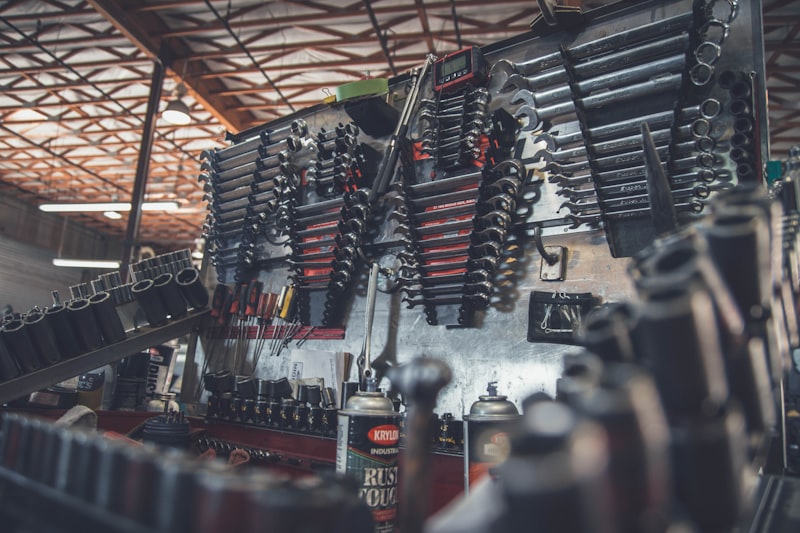
Winter is hard on fluids. Here's what to check:
Engine oil: If you're close to your oil change interval, do it now. If you switched to a winter-weight oil in the fall, switch back to your standard viscosity. Check the colour and level.
Coolant: Should be at the proper level and have the right freeze protection. If it's been more than two years since a coolant flush, spring is a good time.
Windshield washer fluid: Switch from winter-rated washer fluid to regular once temperatures are consistently above freezing. Spring in Ontario means bug season, pollen, and mud, so you'll go through a lot of it.
Brake fluid: Check the level and colour. If it looks dark or hasn't been changed in a couple of years, get it flushed. Brake fluid absorbs moisture over time, which reduces its effectiveness and can cause corrosion internally.
Transmission and power steering fluid: Quick level check and visual inspection. Top up if needed.
If your wipers survived the winter without damage, consider yourself lucky. Most wiper blades take a beating from ice scraping, frozen-on snow, and the general abuse of winter driving. Spring rain and the inevitable mud season demand good wipers.
Test them with washer fluid. If they streak, skip, or chatter, replace them. Good wiper blades are cheap insurance for visibility. I usually replace mine twice a year, once in the fall and once in the spring.
Walk around your vehicle with the lights on. Check headlights (low and high beam), taillights, brake lights, turn signals, reverse lights, and fog lights if you have them. Winter road grime can dim your lenses, so give them a good cleaning. Cracks in lens covers should be addressed before moisture gets in and causes bigger problems.
If your headlights have gone hazy or yellowed, a headlight restoration kit can make a dramatic difference in nighttime visibility. It's a twenty-minute job that's well worth the effort.
Cold weather is the number one killer of car batteries. If your battery struggled at all during the winter, with slow cranking or needing a boost, get it tested. Most auto parts stores will test it for free. A battery that barely made it through winter is unlikely to last through the heat of summer, which is actually harder on batteries than cold weather.
Clean the terminals if there's any corrosion, a wire brush and some baking soda solution works perfectly. Make sure the connections are tight.
Pop the hood and take a look at your serpentine belt and coolant hoses. Cold weather can cause cracking and deterioration. Look for cracks, fraying, glazing on the belt, and soft spots or swelling on hoses. A belt failure on the highway is a bad day. A coolant hose failure is an expensive one.
Swap out your winter emergency kit for a spring and summer version. Out go the extra blankets and hand warmers. In go extra water, sunscreen, and a basic first aid kit. Keep the jumper cables, flashlight, and phone charger year-round. If you have a comprehensive fall maintenance routine, this seasonal kit swap becomes second nature.
Taking a few hours to run through this checklist sets your vehicle up for a trouble-free summer. It catches problems while they're small and cheap to fix, before they leave you stranded on the side of the highway during a July road trip. Your car just fought through an Ontario winter. Give it the care it earned.
Our top picks for winter tires that handle Ontario's toughest conditions.

Explore the best coastal routes around Georgian Bay.

What to check before buying a used vehicle in Ontario.