
Our top picks for winter tires that handle Ontario's toughest conditions.
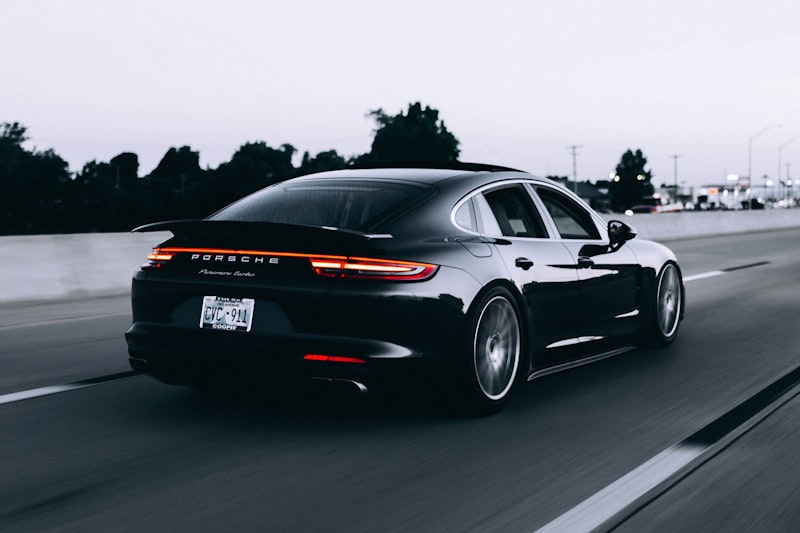
Every time a friend asks me where they should buy a used car, my answer is the same: it depends. Both private sales and dealerships have real advantages and real drawbacks, and the right choice depends on your budget, your mechanical knowledge, your risk tolerance, and how much you value consumer protection versus saving money.
Having bought from both sides in Ontario more times than I care to count, here's an honest breakdown of what each experience actually looks like.
OMVIC Protection: This is the big one. All registered dealers in Ontario are regulated by the Ontario Motor Vehicle Industry Council (OMVIC). This means they must provide all-in pricing (no hidden fees after the advertised price), disclose known material facts about the vehicle (including accident history), and provide a valid Safety Standards Certificate. If something goes wrong, you have a formal complaint process and potential recourse through OMVIC.
Financing options: Dealers can arrange financing, which is convenient if you don't have cash or want to spread payments out. Rates through dealers aren't always the best, but they provide access to manufacturer-backed financing programs that might offer better terms than your bank.
Trade-in convenience: If you're getting rid of your current vehicle, a dealer handles everything in one transaction. No separate listing, no meeting strangers, no negotiating a separate sale.
Safety certificate included: Dealers must provide an SSC with every used vehicle sale. This means the car has been inspected and meets minimum safety standards. It's not a guarantee against future problems, but it's a baseline level of assurance.
The downside: Dealers need to make money on every transaction. Their overhead — rent, staff, advertising, compliance — gets built into the price. You'll typically pay $1,500 to $4,000 more for a comparable vehicle at a dealer versus a private sale. Some dealers also push unnecessary add-ons (extended warranties, protection packages) that inflate the final price.
Lower price: The primary advantage is straightforward — you typically pay less. Private sellers don't have dealer overhead and are often motivated by needing cash or wanting the car gone quickly. Prices on comparable vehicles in private sales average 10-20% less than dealer prices.
Dealing with the actual owner: When you buy privately, you talk to the person who drove the car. You can ask about its history, quirks, and maintenance. A long-term owner who can show you service records is providing information that even the best dealer can't match. You're getting the car's full story from someone who lived it.
No pressure sales: There's no finance manager, no sales manager, no "let me check with my boss" routine. It's a straightforward transaction between two people.

The downside: No OMVIC protection. No warranty (unless manufacturer warranty is still transferable). The car might not come with a safety certificate — you'll need to negotiate who pays for it and get it done yourself. There's no formal recourse if the seller misrepresented the vehicle. And if the car turns out to have a lien on it or was stolen, the complications can be significant.
In Ontario, a used vehicle needs a valid Safety Standards Certificate to be registered to a new owner. In a dealer transaction, the dealer provides this. In a private sale, it's negotiable — either the seller gets one before listing, or the buyer handles it after purchase.
My strong recommendation: if you're buying privately, insist that the SSC be done at a shop you choose, not the seller's shop. Better yet, have your own pre-purchase inspection done separately. The SSC covers safety minimums — it doesn't tell you about the engine burning oil, the transmission slipping, or the air conditioning not working.
For a detailed explanation of what the inspection covers, read our guide to Ontario's vehicle safety inspection.
HST applies to both dealer and private purchases in Ontario, but how it's calculated differs. At a dealer, you pay 13% HST on the purchase price. For a $15,000 car, that's $1,950.
In a private sale, you pay RST (Retail Sales Tax) of 13% based on the purchase price or the Canadian Red Book wholesale value — whichever is higher. This prevents people from declaring artificially low sale prices to dodge tax. If you buy a car worth $12,000 according to Red Book but pay the seller $8,000, you'll pay tax on $12,000. There are some exemptions — transfers between immediate family members, for instance — but for a standard purchase, expect to pay tax on the fair market value.
In a private sale, always complete a proper bill of sale. It should include the full legal names and addresses of both buyer and seller, the vehicle's VIN, year, make, model, mileage at time of sale, the agreed-upon purchase price, the date, and both signatures. Keep a copy. The Used Vehicle Information Package (UVIP) from ServiceOntario is also required for private sales — the seller must provide it.
The UVIP includes the vehicle's registration history in Ontario, its current status, and any liens registered against it. Never skip this. If there's a lien on the vehicle, you could lose the car even after paying for it. The UVIP costs around $20 from ServiceOntario and is the cheapest protection available in a private transaction.
The UVIP will show liens registered through Ontario's Personal Property Security Registration (PPSR), but a separate lien search through the PPSR system provides the most current information. If a seller still owes money on the vehicle, the lender holds a lien. If the seller doesn't pay off the loan, the lender can repossess the car — even from you, the innocent buyer.
At a dealer, lien clearance is handled as part of the transaction. In a private sale, you're responsible for verifying lien status. A search costs about $8 and is available through ServiceOntario. It's the most important $8 you'll spend.
Buy from a dealer if: you want maximum consumer protection, you need financing, you don't have a trusted mechanic who can do a thorough inspection, you value convenience, or this is your first time buying a used car.
Buy privately if: you're comfortable with cars and can assess condition yourself (or have a mechanic who can), you want to save money, you've done your research on fair market value, and you're comfortable handling the paperwork.
Whichever route you choose, doing your homework before you negotiate saves you the most money. Our guide on how to negotiate a used car price covers strategies for both scenarios. And before you even start test driving, review our used car buying inspection checklist so you know what red flags to watch for.
The ServiceOntario vehicle registration page has the current requirements and forms for both private and dealer vehicle transactions in the province.
Our top picks for winter tires that handle Ontario's toughest conditions.

Explore the best coastal routes around Georgian Bay.
What to check before buying a used vehicle in Ontario.