
Our top picks for winter tires that handle Ontario's toughest conditions.

Most people hate negotiating. I get it. It feels adversarial, and nobody wants to be the person who pays too much or insults a seller with a lowball offer. But when you're spending $10,000, $20,000, or more on a used vehicle, the difference between a good negotiation and a poor one can be thousands of dollars in your pocket.
I've bought and sold more vehicles than I should probably admit, in both private and dealer settings across Ontario. Here's what actually works, what doesn't, and how to feel confident at the table regardless of who's sitting on the other side.
The single most important thing you can do is research before you ever contact a seller. Check AutoTrader.ca, Facebook Marketplace, and Kijiji for the same make, model, year, and approximate mileage in your area. Get a sense of the range — not just the lowest price you can find, but the typical asking price for comparable vehicles in comparable condition.
Pull a Canadian Black Book or similar valuation. Dealers use wholesale and retail values from these guides, and so should you. If a 2018 Civic LX with 90,000 km typically lists for $18,000 to $20,000 in Ontario, that's your baseline. If the seller is asking $22,000, you have a clear data point to push back on. If they're at $17,500, there's less room to negotiate — and that's okay.
Also, pull a vehicle history report before you negotiate. If the car has an accident on its record, that's worth $1,000 to $3,000 in reduced value depending on severity. A history of rental use or multiple province transfers can also affect value. These are factual data points, not opinions, and sellers have a hard time arguing against facts.
Private sellers in Ontario generally have more flexibility on price than dealers because they don't have overhead costs baked in. They also tend to be more emotionally invested in their car, which can work for or against you.
Start by asking open-ended questions. "How long have you had the car?" "Why are you selling?" "What maintenance have you done?" A seller who's had the car for years and done consistent maintenance is more likely to have set a fair price. A seller who bought it six months ago and is already unloading it might be hiding something — or they might just need cash, which gives you leverage.
When you make your offer, base it on specific observations. "The tires need replacing — that's $800. The brakes are at about 30% — that's another $500. Based on what comparables are selling for, I think $X is fair." This is far more effective than just saying "will you take less?"
The key to private sale negotiation is showing up prepared, being respectful, and being genuinely willing to walk away. Most private sellers have priced their car with some negotiation room built in. A 5-10% reduction from asking price is typical in Ontario's used car market.

Dealers are professionals. They negotiate car prices every day, and their systems are designed to maximize profit at every point in the transaction. That doesn't mean you can't get a good deal — it means you need to be deliberate about how you approach it.
First rule: negotiate the purchase price separately from everything else. Don't let the salesperson frame the conversation around monthly payments. "What monthly payment are you comfortable with?" is a trap that allows them to manipulate the term length, interest rate, and price simultaneously. You want to agree on a price, then discuss financing separately.
Second rule: don't reveal your trade-in until you've agreed on a purchase price. Once a dealer knows you're trading in, they can juggle numbers between the two transactions to make you feel like you're getting a deal when you're not.
Third rule: be ready for the finance office. This is where dealers make significant profit through extended warranties, paint protection, rust proofing, fabric protection, and GAP insurance. Some of these products have value, but they're typically marked up enormously. If you want an extended warranty, research third-party options beforehand so you can compare prices.
Ontario's OMVIC (Ontario Motor Vehicle Industry Council) requires registered dealers to adhere to certain consumer protections. Know your rights — dealers must disclose accident history, the true purchase price (all-in pricing), and provide a valid safety certificate.
Timing matters more than most buyers realize. In Ontario, the best time to buy a used car is typically late fall and early winter — November through January. This is when demand drops because fewer people want to start a new vehicle purchase when it's -15 outside. Dealers need to move inventory, and private sellers who've been sitting on listings get more motivated.
End of month also works in your favour at dealerships. Sales staff often have monthly targets and are more willing to discount to hit their numbers. The last week of the month combined with a slow sales period is the ideal time to walk into a dealership.
Spring is the worst time to buy. Tax refund season puts more buyers in the market, and demand for vehicles increases as driving season approaches. Truck prices spike in spring and fall, so if you're looking at pickups, mid-summer or mid-winter is your best bet.
Your most powerful negotiating tool is your willingness to leave. If the price isn't right, say thank you and go. This isn't a bluff tactic — you should genuinely be prepared to walk away from any deal that doesn't meet your criteria.
In private sales, about half the time the seller will contact you within 24-48 hours with a lower number. With dealers, the salesperson will often "check with the manager" before you reach the door. If they don't? There are plenty of other cars out there.
I once walked away from a Mazda3 at a Toronto dealer because they wouldn't budge on a $19,500 asking price. I'd done my research and knew it was about $1,500 above market. The salesperson called me two days later and offered it at $17,800. Patience pays, literally.
If you're trading in at a dealer, get quotes from multiple sources first. CarMax, other dealers, and even private sale value give you benchmarks. Dealers will typically offer you wholesale value, which is below what you'd get selling privately. If the difference is $2,000 or more, it might be worth selling your old car privately and showing up to the dealer with cash.
The convenience of a trade-in has real value though. You save the hassle of advertising, meeting strangers, and negotiating a sale while also buying. For many people, leaving $1,000 to $1,500 on the table for that convenience is a fair trade.
Whether you're buying privately or from a dealer, the principles are the same: know the market, know the car's condition, and know your walk-away number. Our used car inspection checklist will help you identify the issues that become your strongest negotiation tools.
The Ontario Motor Vehicle Industry Council is a valuable resource for understanding your rights as a buyer in Ontario, including what dealers are legally required to disclose and the protections available to you if something goes wrong.
Our top picks for winter tires that handle Ontario's toughest conditions.

Explore the best coastal routes around Georgian Bay.
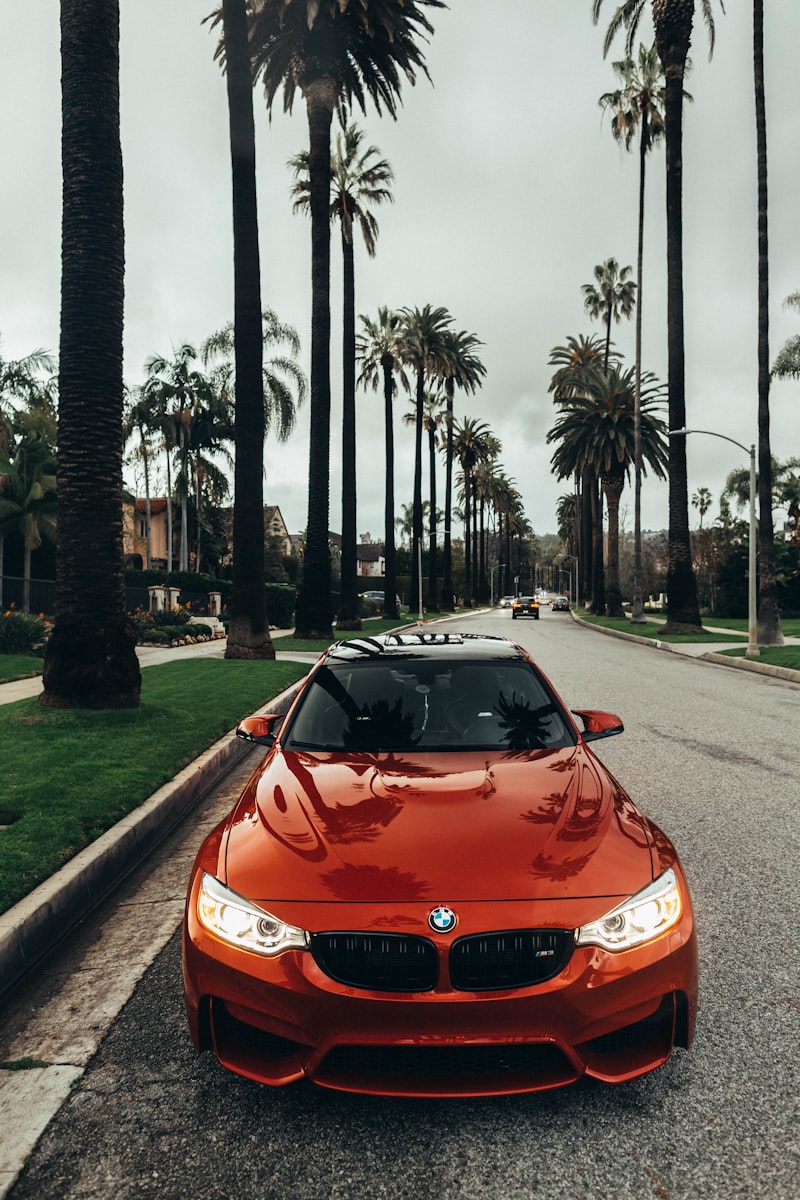
What to check before buying a used vehicle in Ontario.